Habits to Build Before 30: 12 Powerful Habits for a Successful Life
Habits to build before 30 that shape your health, money, and career, plus practical routines in your twenties that set you up for a better future.
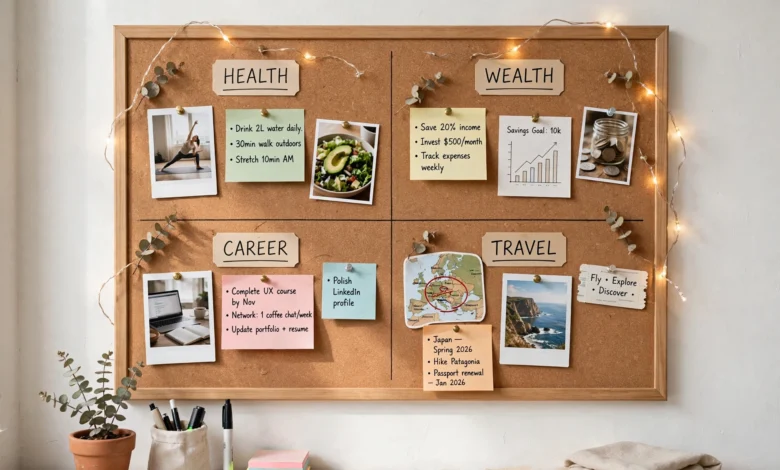
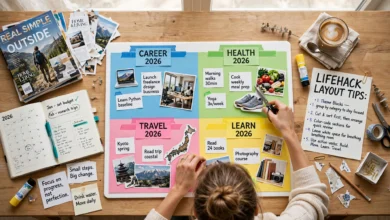
The habits to build before 30 are rarely the dramatic ones. Nobody looks back at 35 and says their life changed because of one big decision made on a random Tuesday. What changes things is the stuff you repeat: how you spend money, how you sleep, who you call when things go wrong, and whether you keep learning after school ends.
Your twenties are a strange decade. You have more freedom than ever and usually less structure. There’s no teacher setting deadlines and often no one checking whether you saved anything this month. That freedom is great, but it also means your default patterns quietly become your life.
The good news is that this is the best time to set those patterns. Your body recovers faster, small savings have decades to grow, and your identity is still flexible enough to change without a fight. Habits you build now compound in the same way money does.
This guide covers the most useful healthy habits in your 20s, from financial habits and personal growth to relationships and career. Each section explains why the habit matters, what it looks like in practice, and how to start without overhauling your entire life. You don’t need to adopt all of them at once. Pick two or three, get them working, and add more as they stick. That’s how real self-improvement works.
Why the Habits You Build Before 30 Matter So Much
The short answer is compounding. Almost everything good in life grows on top of what came before it. Fitness builds on fitness, savings earn returns on returns, and skills make the next skill easier to learn. When you start these loops at 23 instead of 38, you get fifteen extra years of growth.
There’s also a practical side. In your twenties, the cost of changing is low. You probably have fewer obligations, fewer fixed routines, and more energy to experiment. Once kids, mortgages, and senior job responsibilities show up, rebuilding your daily life gets much harder. It’s not impossible, just more expensive in time and effort.
Your habits become your identity
There’s a useful idea in habit research: every repeated action is a small vote for the kind of person you are. Go for a run three times and you’re someone who tries running. Do it for a year and you’re a runner. The habits you repeat in your twenties tend to settle into how you see yourself, and that self-image then makes the habit easier to keep.
Small daily choices beat big promises
Most people overestimate what they can do in a month and underestimate what they can do in five years. Good habits for young adults don’t need to be impressive. Ten minutes of reading, a fixed bedtime, or an automatic transfer to savings looks tiny on day one. Over a decade, those small actions add up to a very different life than the one you’d have without them.
So when we talk about habits to build before 30, we’re really talking about setting your defaults while it’s still cheap and easy to do so.
12 Powerful Habits to Build Before 30
Below are the twelve habits that make the biggest difference over time. They’re grouped loosely into health, money, mind, career, and relationships, but they all feed into each other. Better sleep makes it easier to stick to a budget. Good friendships make hard career moves less scary.

1. Protect Your Sleep Like It Matters (Because It Does)
Sleep is the habit that quietly controls all the others. When you’re tired, you skip workouts, order takeout, make worse decisions at work, and get irritable with people you care about. Many people in their twenties treat sleep as optional, trading it for late nights out or one more episode.
The CDC recommends that adults get at least seven hours each day, and its adult sleep statistics show a large share of people fall short. That gap adds up.
A few ways to make sleep a real daily routine:
- Go to bed and wake up at roughly the same time, even on weekends.
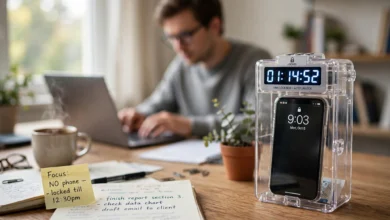
- Keep your phone out of reach for the last 30 minutes before bed.
- Cut caffeine after early afternoon.
- Keep your bedroom cool, dark, and quiet.
You don’t need a perfect routine. You need a consistent one.
2. Move Your Body Most Days
Exercise in your twenties isn’t really about looks. It’s about building a body that will still feel good at 40 and 60. Muscle and bone density peak around this decade, and the more you build now, the more you keep later. Regular movement also helps with stress, mood, and focus.
The World Health Organization’s physical activity recommendations suggest at least 150 minutes of moderate activity per week for adults. That’s about 20 to 25 minutes a day. A brisk walk counts.
The best workout is the one you’ll actually do. Try a few options, such as lifting, running, swimming, cycling, or a team sport, and keep the one you enjoy. Two or three strength sessions a week, plus walking whenever you can, is a solid base for most people.
3. Learn to Cook a Handful of Simple Meals
If you can cook five decent meals without a recipe, you’ll eat better and save a surprising amount of money. Relying on delivery apps is one of the most common ways young adults leak both cash and health.
Start small. Learn one breakfast, two lunches you can batch cook, and two dinners. Once those feel easy, add more. This is one of those healthy habits in your 20s that pays off twice: in your body and in your bank account.
4. Track Where Your Money Actually Goes
Most people don’t overspend on purpose. They just don’t look. Budgeting sounds boring, but at its core it’s simply knowing where your money goes each month so you can decide whether you’re happy with that.
A simple way to start:
- Pull your last two months of bank and card statements.
- Sort spending into a few categories: housing, food, transport, subscriptions, fun, and everything else.
- Look for anything that surprises you.
- Set a rough limit for the categories you want to shrink.
You don’t need a fancy app. A spreadsheet or even a notebook works. The habit is the monthly check-in, not the tool.
5. Build an Emergency Fund
Life will throw you an expensive surprise. A job loss, a medical bill, a broken laptop, or a family emergency can happen at any time. Without savings, those moments turn into debt, and debt in your twenties can follow you for years.
Aim first for one month of essential expenses, then work toward three to six months. Keep it in a separate account so you’re not tempted to dip into it. The easiest way to build it is to set up an automatic transfer on payday, so saving happens before you have a chance to spend.
Of all the financial habits on this list, this one probably reduces stress the most.
6. Start Investing Early, Even With Small Amounts
Time is the biggest advantage you have with money, and it’s the one thing you can’t buy back later. A small amount invested at 25 can grow larger than a much bigger amount invested at 35, simply because it has more years to compound.
You don’t need to pick stocks or follow the market daily. For most people, a simple approach works well:
- Contribute to any workplace retirement plan, especially if your employer matches contributions.
- Consider low-cost, diversified index funds rather than chasing individual stocks.
- Invest a fixed amount on a regular schedule instead of trying to time the market.
- Avoid high-interest debt, since paying it off is often a better return than investing.
If you’re unsure, it’s worth talking to a qualified financial advisor in your country, since tax rules and account types vary a lot. The key point is to start. Saving money in your 20s and investing part of it is one of the most valuable life skills you can build.
7. Read Regularly and Keep Learning
School ends, but learning shouldn’t. People who keep reading and picking up new skills tend to adapt better when industries shift, which they always do.
Reading doesn’t have to mean dense nonfiction. Read what keeps you curious: biographies, history, novels, or books about your field. Ten to twenty pages a day adds up to roughly a dozen or more books a year. Podcasts, online courses, and workshops count too.
This is the heart of personal growth. The more you learn, the more options you have.
8. Take Your Mental Health Seriously
Your twenties can be emotionally messy. Career uncertainty, breakups, comparison on social media, and moving away from home all hit around the same time. Learning how to manage your mind now gives you tools you’ll use for the rest of your life.
Useful habits here include:
- Journaling for a few minutes to sort out your thoughts.
- Practicing mindfulness or simple breathing exercises when stress builds.
- Limiting time on apps that leave you feeling worse.
- Talking to a therapist or counselor if you’re struggling. Asking for help is a skill, not a weakness.
Mental health isn’t a side project. It affects your work, your relationships, and your physical health too.
9. Build at Least One Skill People Will Pay For
By 30, it helps to be genuinely good at something valuable. That might be writing, coding, sales, design, data analysis, a trade, or managing people. Depth in one area gives you leverage when negotiating pay, switching jobs, or starting something of your own.
Pick a direction and practice deliberately. Ask for feedback, take on projects slightly beyond your comfort zone, and track your progress. Strong career development in your twenties rarely comes from waiting to be noticed. It comes from getting better on purpose and making your work visible.
10. Invest in the Right Relationships
Research on happiness keeps pointing to the same thing: the quality of our relationships matters more than almost anything else. Yet friendships often fade in your twenties as people move cities, change jobs, and get busy.
Make relationships an active habit instead of something that just happens:
- Check in with close friends regularly, even with a short message.
- Make plans instead of waiting for someone else to.
- Stay in touch with family in a way that feels healthy for you.
- Find a mentor or two who are a few steps ahead of you.
It’s also worth noticing which relationships drain you. Spending less time with people who consistently bring you down is a form of self-respect.
11. Learn to Manage Your Time and Say No
When you’re young, it’s easy to say yes to everything. Extra projects, every invitation, favors you don’t have time for. Eventually that leaves no room for the things that actually matter to you.
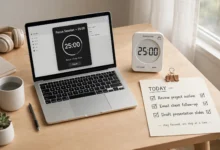
Good time management starts with knowing your priorities. Try planning your week every Sunday, blocking time for your most important work, and protecting a few hours for rest. When something doesn’t fit, a polite and clear no is better than a reluctant yes. This habit makes every other habit on this list easier to keep.
12. Reflect and Set Goals on a Regular Schedule
It’s surprisingly easy to drift through a whole year without asking where you’re heading. A simple reflection habit fixes that.
Once a month, spend twenty minutes answering a few questions:
- What went well this month?
- What didn’t, and why?
- What do I want to focus on next month?
Once a year, zoom out and look at the bigger picture: health, money, career, and relationships. Goal setting works best when goals are specific and reviewed often. This habit ties together everything else, because it’s how you notice what’s working and adjust what isn’t.
How to Make Your Habits to Build Before 30 Actually Stick
Knowing what to do is the easy part. Doing it on a busy Wednesday when you’re tired is where most plans fall apart. These strategies help close that gap.
Start smaller than feels necessary
If you want to read more, commit to two pages a night. If you want to exercise, commit to putting on your shoes and walking for ten minutes. A tiny habit you keep is worth far more than an ambitious one you quit after a week. You can always scale up once it becomes automatic.
Attach new habits to existing ones
This is often called habit stacking. Pick something you already do every day and link the new habit to it. For example:
- After I pour my morning coffee, I’ll write down three priorities for the day.
- After I get paid, I’ll move a fixed amount into savings.
- After I brush my teeth at night, I’ll put my phone on the charger outside my bedroom.
The existing routine acts as a reminder, so you rely less on willpower.
Make good choices easy and bad ones harder
Your environment shapes your behavior more than motivation does. Keep a water bottle on your desk. Leave your gym bag by the door. Delete the shopping apps you use when bored. Automate savings so the money is gone before you see it. Small changes to your surroundings remove friction from positive habits and add it to the ones you want to drop.
Track progress, but don’t obsess
A simple checkmark on a calendar can be surprisingly motivating. Seeing a streak makes you want to keep it going. Just don’t let one missed day turn into a missed month. A useful rule is never to miss twice in a row.
Common mistakes to avoid
- Trying to change ten things at once.
- Copying someone else’s routine without adjusting it to your life.
- Treating a bad week as proof that you’ve failed.
- Waiting for motivation instead of building systems.
- Comparing your progress to curated highlights on social media.
Building habits for success is less about discipline and more about design. Set things up so the right choice is the easy one, and your future self will thank you.
Conclusion
The habits to build before 30 aren’t about becoming a perfect person by a certain birthday. They’re about setting strong defaults while change is still cheap: sleeping enough, moving most days, cooking simple meals, tracking your money, keeping an emergency fund, investing early, reading, caring for your mental health, building a valuable skill, nurturing good relationships, protecting your time, and reflecting often.
None of these requires a dramatic overhaul, and each one makes the others easier. Pick two or three that matter most to you right now, start smaller than you think you should, and let time do the heavy lifting, because the routines you repeat in your twenties quietly shape the life you’ll be living for decades after.