What Is Hygge and How to Bring It Home
Hygge is the Danish art of cozy, slow living. Here is what it means, why it works, and 9 simple ways to bring that warm feeling into your own home.
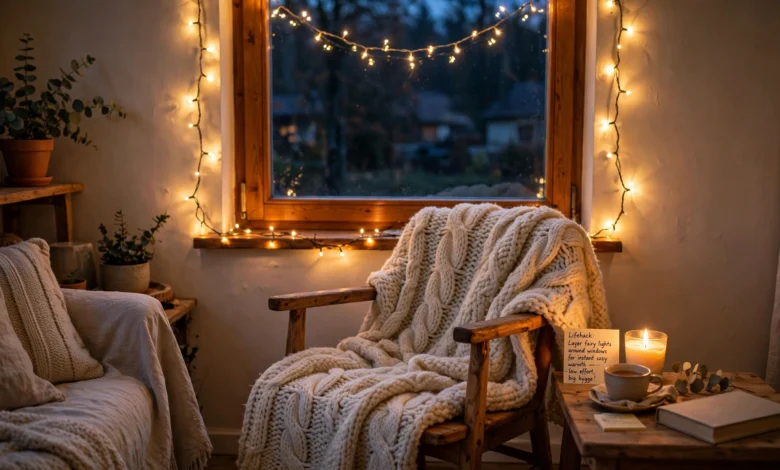
Hygge is one of those words that sounds a little strange at first and then quietly changes how you think about home. Pronounced “hoo-gah,” it comes from Denmark, a country with long, dark winters and some of the happiest people on the planet. That combination is not an accident.
At its heart, hygge is about feeling safe, warm, and present. It is the candle burning on a rainy evening, the second cup of tea with a friend, the blanket you pull over your knees while reading. None of it is expensive or complicated. That is exactly why it has caught on far beyond Scandinavia.
If you have ever searched “what is hygge” and found a wall of product listings, you are not alone. A lot of what gets sold as hygge decor misses the point. You do not need a new sofa or a perfectly beige living room. You need a few small shifts in how you light, arrange, and use your space, plus a willingness to slow down.
In this guide, we will cover the meaning of hygge, where it came from, why it seems to make people happier, and the core elements behind the feeling. Then we will get practical with nine ways to create a hygge home, room-by-room ideas, seasonal tips, and the most common mistakes people make. By the end, you will know how to bring the hygge lifestyle into your own life without overthinking it.
What Is Hygge? The Real Meaning Behind the Word
Hygge is a Danish and Norwegian word for a mood of warmth, comfort, and contentment, usually shared with people you like. The closest English word is “coziness,” but that only covers part of it. Danes use it to describe a feeling, a setting, and an activity, all at once.
VisitDenmark’s guide to hygge sums it up as creating a warm atmosphere and enjoying the good things in life with good people. That last part matters. A cozy room is nice, but hygge is really about how you feel inside it and who you share it with.
How to Pronounce Hygge
The word is pronounced “hoo-gah,” with a soft, short ending. You will also hear “hue-guh.” Do not worry about getting it perfect. Even Danes admit the word is hard for outsiders to say.
Where the Word Comes From
Most linguists trace hygge back to an Old Norse word meaning well-being or comfort. It entered written Danish around the late 1700s and has been part of everyday speech ever since. Over time it grew into a cultural value, something Danes actively plan for, especially during the dark months.
Hygge as a Noun, Verb, and Adjective
One reason the hygge meaning feels slippery is that Danes use it in several forms:
- Hygge (noun): “Let’s have some hygge tonight.”
- Hygge sig (verb): to enjoy yourself in a cozy, relaxed way.
- Hyggelig (adjective): describing anything that feels cozy, friendly, or pleasant. A café, a conversation, or even a person can be hyggelig.
What Hygge Is Not
It helps to clear up a few myths:
- It is not a decorating style. Scandinavian design often looks hygge, but the two are different things.
- It is not about buying stuff. Candles and blankets help, but the feeling comes from presence, not purchases.
- It is not only for winter. Danes enjoy summer hygge too, on picnics, porches, and long evenings outside.
- It is not laziness. Resting with intention is very different from zoning out.
Why Hygge Matters: Danish Happiness and Everyday Wellbeing
Denmark sits near the top of global happiness rankings almost every year. In the 2026 World Happiness Report, Nordic countries including Denmark took five of the top six spots. Researchers point to things like social trust, strong welfare systems, and work-life balance. Many Danes would add hygge to that list.
Hygge Helps People Cope With Dark Winters
In the depths of a Danish winter, daylight can last only around seven hours. That is a lot of darkness to sit through. Hygge gives people a way to turn those long evenings into something to look forward to rather than endure. Candles, warm food, and good company make the dark feel softer.
Small Rituals Build Real Connection
Much of Danish hygge happens around shared rituals: weekly dinners, coffee with a neighbor, a game night that has been running for years. These rituals create a sense of belonging. Plenty of wellbeing research links strong social ties to better mood and lower stress, and hygge is basically a culture built around those ties.
It Encourages You to Slow Down
Hygge asks you to be where you are. Phones go down, the TV can wait, and you pay attention to the cup in your hands or the person across the table. This kind of slow living is close to what many people now call mindfulness, just without the meditation app.
Benefits You Can Expect
When you start building hygge at home, people often notice:
- Evenings that feel restful instead of rushed
- Fewer urges to scroll or shop for comfort
- Closer relationships with family and friends
- A home that feels like a refuge, not just a place to sleep
- More patience with the colder, darker months
The Core Elements of Hygge
Before changing anything in your home, it helps to know what actually creates the feeling. Most of it comes down to five things.
1. Warm, Low Light
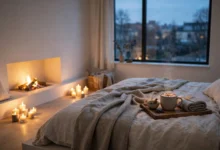
Light is the backbone of hygge. Danes burn more candles per person than almost anyone in Europe, and they avoid harsh overhead lighting whenever they can. The goal is small pools of warm light at different heights, not one bright ceiling bulb flattening the whole room.
2. Physical Comfort
Think soft textures you want to touch: wool throws, sheepskins, thick socks, deep cushions. Comfort also means temperature. A slightly warm room with a blanket nearby feels very different from a chilly one.
3. Togetherness
Hygge is strongest when shared. It does not require a crowd. Two or three people around a table often feel more hyggelig than a big party. The key is that everyone feels relaxed and equal, with no one performing or showing off.
4. Simple Pleasures
Homemade bread, a pot of soup, a board game, a walk in the cold followed by hot chocolate. Hygge living favors the ordinary over the impressive. If something feels fussy or expensive, it usually works against the mood.
5. Presence
This is the part people skip. You can have every candle and blanket in the world and still miss hygge if your mind is in your inbox. Presence means giving the moment your full attention, even if that moment is just folding laundry with a podcast on.
How to Bring Hygge Home: 9 Simple Ways That Actually Work
Here is the practical part. You do not need to do all nine at once. Pick two or three that fit your space and budget, live with them for a few weeks, and build from there.
1. Rethink Your Lighting First
If you change only one thing, change the light. Switch off the big overhead fixture in the evening and use lamps instead. Look for bulbs labeled 2700K or lower, which give a warm, golden tone.
- Put lamps at different heights: a floor lamp, a table lamp, a small light on a shelf.
- Add candles on the dining table, coffee table, and windowsill.
- Use string lights or LED candles if you have kids, pets, or a rental with strict rules.
- Install dimmer switches where you can. They are cheap and change everything.
2. Layer Soft Textures
Texture is what makes a room feel inviting instead of staged. Mix materials so your eyes and hands have something to enjoy.
- A chunky knit throw over the sofa arm
- Wool or faux sheepskin on a chair
- Linen or flannel bedding
- A thick rug underfoot, especially on hard floors
You probably own some of these already. Pull them out of closets and put them where you will actually use them.
3. Create a Hygge Corner
Danes have a word for this too: a hyggekrog, or cozy nook. It is a small spot built for curling up. A window seat is perfect, but a single armchair works just as well.
To set one up, you need a comfortable seat, a blanket, a soft light source, and a small surface for a drink or book. That is it. Keep it free of work clutter so your brain links the spot with rest.
4. Bring Nature Indoors
Natural materials ground a space. Danish homes lean heavily on wood, stone, wool, and plants.
- Add a few low-maintenance houseplants like pothos or snake plants.
- Display branches, pinecones, or dried flowers by season.
- Choose wooden bowls, trays, or cutting boards over plastic.
- Open a window for fresh air, even briefly in winter.
5. Declutter Without Going Minimal
A messy room makes it hard to relax, but hygge interior design is not stark minimalism either. The sweet spot is a home that feels lived-in and personal, just not chaotic.
Clear surfaces you look at most, like the coffee table and kitchen counter. Then keep a few things that mean something to you: a photo, a handmade mug, books you love. Meaningful objects add warmth. Random clutter adds stress.
6. Make Food and Drink a Ritual
Food is a big part of hygge culture. It does not need to be fancy. Slow, comforting dishes work best: stews, soups, fresh bread, baked oatmeal, cinnamon buns.
Try turning one meal a week into an event. Light candles, set the table properly, and eat without screens. Warm drinks count too. A pot of tea or spiced cider shared after dinner is about as hygge as it gets.
7. Invite People Over, Casually
You do not need a spotless house or a planned menu. Some of the most hyggelig evenings are last-minute: a friend drops by, you open a bag of crackers, and you talk for three hours.
Keep the group small and the vibe relaxed. Ask everyone to bring something, play a board game, or just sit around the kitchen table. The point is connection, not hosting.
8. Set Up a Digital Sunset
Screens are the fastest way to kill the mood. Pick a time each evening, maybe an hour before bed, when phones go in a drawer or basket.
Use that time for reading, puzzles, knitting, journaling, or talking. It feels strange for the first few nights. After a week, most people say it is the best part of their day.
9. Engage All Your Senses
The most memorable cozy home touches go beyond what you see:
- Smell: a simmer pot with orange peel and cinnamon, or a natural candle
- Sound: soft music, rain sounds, or a crackling fireplace video
- Touch: warm socks, a heavy blanket, a smooth ceramic mug
- Taste: something baked, warm, or homemade
When several senses agree that you are safe and comfortable, your body relaxes faster. That is the quiet secret behind the hygge feeling.
Hygge Room by Room
Every room has a slightly different job, so the approach shifts a little.
| Room | Focus | Easy wins |
|---|---|---|
| Living room | Gathering and unwinding | Lamps instead of ceiling light, throws on every seat, a candle cluster on the coffee table |
| Bedroom | Rest and calm | Layered bedding, a warm bedside lamp, no phone charging by the bed |
| Kitchen | Nourishment and connection | Wooden boards on display, a herb pot on the sill, a kettle always ready |
| Dining area | Shared meals | Candles, cloth napkins, chairs comfortable enough to linger in |
| Bathroom | Small daily luxuries | Thick towels, a scented candle, a plant that likes humidity |
| Home office | Focus without stress | A warm desk lamp, a plant, a clear cutoff time at the end of the day |
Hygge Through the Seasons
Hygge is often tied to winter, but Scandinavian hygge runs all year.
Autumn and Winter Hygge
This is peak season. Lean into candles, soups, wool, and long evenings indoors. December in Denmark is full of it, with mulled wine, advent rituals, and constant baking.
Spring and Summer Hygge
Take it outside. Eat dinner on a balcony, have a picnic in the park, or sit around a fire pit with a few friends. Swap wool for linen and heavy stews for fresh bread and berries. The mood stays the same even when the setting changes.
Hygge on a Budget
One of the best things about hygge is how little it costs. Some ideas that are nearly free:
- Rearrange furniture so seats face each other instead of the TV.
- Move lamps from rooms you rarely use into the ones you do.
- Use jars and leftover candle stubs to make a grouped candle display.
- Forage branches, leaves, or pinecones for natural decor.
- Bake something simple and share it with a neighbor.
- Host a potluck instead of cooking a full dinner yourself.
Common Hygge Mistakes to Avoid
A few habits can quietly undo the effect:
- Buying too much. Filling a cart with “hygge” products turns a mindset into a shopping list.
- Chasing a perfect look. If your home looks like a magazine shoot but nobody feels relaxed in it, it is not working.
- Overly bright or cool lighting. Blue-white bulbs make a room feel like an office.
- Treating it as a solo project. Alone time can be hyggelig, but the deepest version is shared.
- Forgetting presence. Candles plus constant scrolling is just decor.
Frequently Asked Questions About Hygge
Is hygge only a Danish thing?
The word is Danish and Norwegian, but the feeling is universal. Most cultures have their own version of cozy togetherness. Hygge just gives it a clear name and makes it a priority.
Do I need Scandinavian furniture to create hygge?
No. Any furniture works as long as it is comfortable and inviting. A worn armchair you love beats a designer chair you are afraid to sit in.
Can you practice hygge alone?
Yes. A quiet evening with a book, tea, and a blanket is classic solo hygge. Still, most Danes would say it is at its best with people you trust.
How is hygge different from minimalism?
Minimalism focuses on owning less. Hygge focuses on feeling good with what you have. They overlap, since clutter rarely feels cozy, but hygge is warmer and more personal.
What is the quickest way to make my home feel hygge?
Turn off the overhead light, switch on two lamps, light a candle, and make something warm to drink. You will feel the difference in about five minutes.
Conclusion
Hygge is the Danish habit of making ordinary moments feel warm, safe, and shared, and it is far simpler than the trend pieces make it look. It rests on a handful of basics: soft, low light, comfortable textures, simple food, small gatherings, and real presence.
You can bring it home by changing your lighting, layering textures, carving out a cozy nook, adding natural touches, clearing the worst clutter, turning meals into rituals, inviting people over casually, putting screens away in the evening, and engaging all your senses. None of it requires a big budget or a design overhaul, just a decision to slow down and enjoy where you are and who you are with, whatever the season.