What Is Slow Living and Why People Love It
Slow living means doing less, with more care. Here is what it really is, how it started, and why so many people are choosing a calmer and fuller life.
Slow living is a simple idea that a lot of people find hard to practice: do fewer things, and do them with real attention. It sounds almost too obvious to need a name. Yet here we are, with whole communities, books, and social media accounts built around it.
The reason is easy to spot. Most of us live on a schedule that runs faster than we do. Phones buzz all day. Work leaks into evenings and weekends. Even rest has become something to optimize, with sleep trackers and productivity podcasts filling the gaps. Somewhere along the way, being busy turned into a badge of honor, and being tired became normal.
The slow living lifestyle pushes back on that. It does not ask you to quit your job, move to a farm, or bake your own bread (though nobody will stop you). It asks a quieter question: what actually matters to you, and are you giving it your time?
In this article, we will cover what slow living is, where the idea came from, the core principles behind it, and the main reasons people are drawn to it. We will also clear up a few common myths, walk through practical ways to start, and look honestly at the challenges. Whether you are feeling the early signs of burnout or just want your days to feel less rushed, you will find something useful here.
What Is Slow Living? A Clear Definition
At its heart, slow living is a way of life that puts quality ahead of speed and meaning ahead of quantity. It means choosing to spend your time, energy, and money on the things that matter to you, and letting go of the rest without guilt.
It is not about doing everything at a snail’s pace. You can still walk fast when you are late or answer emails quickly at work. The point is that you set the pace on purpose, instead of letting outside pressure set it for you. In that sense, slow living is closely related to intentional living and mindful living. All three ask you to be present and to act on purpose.
Where the Slow Movement Came From
The modern slow movement has a surprisingly specific starting point. In 1986, a McDonald’s was set to open near the Spanish Steps in Rome. Journalist Carlo Petrini and a group of friends protested, and that protest grew into what became the Slow Food movement, which champions local, traditional, and carefully made food over fast, mass-produced meals.
The idea soon spread beyond the kitchen. People started asking whether the same thinking could apply to work, travel, parenting, fashion, and cities. Canadian journalist Carl Honoré helped bring the concept to a wide audience with his 2004 book In Praise of Slowness and his popular TED talk on the slow movement. His argument was simple: speed is useful, but a life lived entirely in fast-forward misses most of what makes it good.
Slow Living Today
Today, the slow living lifestyle shows up in many forms. For one person it looks like cooking dinner from scratch and eating without a screen. For another it means a four-day work week, a garden, or a weekly phone-free Sunday. There is no single rulebook, which is part of its appeal. Each person decides what “slow” means for their own life.
The Core Principles of Slow Living
Even though slow living looks different for everyone, most people who practice it share a handful of guiding ideas.

1. Intention Over Autopilot
A lot of our day runs on habit. We check the phone first thing, say yes to every invite, and buy things because they are on sale. Intentional living asks you to pause before these choices and ask whether they serve you. It is less about strict rules and more about noticing what you are doing.
2. Quality Over Quantity
One good meal with friends beats three rushed ones at your desk. A few well-made clothes outlast a closet of cheap ones. This principle applies to possessions, commitments, and even relationships. Fewer, better things leave more room to enjoy them.
3. Presence in the Moment
Mindful living is a big part of the slow approach. It means giving your full attention to what you are doing, whether that is washing dishes, talking to your child, or drinking your morning tea. It sounds small, but presence is often what turns an ordinary moment into a good one.
4. Connection to People and Place
Slow living tends to pull people toward their local community. That might mean shopping at a nearby market, getting to know neighbors, or spending more time outside. These connections give life a sense of rootedness that fast, scattered living often lacks.
5. Rest as a Need, Not a Reward
In a culture shaped by hustle culture, rest is often treated as something you earn after you have done enough. Slow living flips that. Rest is part of a healthy life, not a prize at the end of it.
7 Reasons People Love Slow Living
So why has slow living caught on the way it has? Here are the main benefits of slow living that keep people coming back to it.
1. Less Stress and Less Burnout
This is the big one. Constant rushing keeps the body in a low-level state of alarm. The American Psychological Association notes that chronic stress can affect sleep, mood, digestion, and long-term health. Slowing down, cutting back on commitments, and building in real rest give the nervous system a chance to settle. Many people first try a slower pace because they are close to burnout and simply cannot keep going at the old speed.
2. Better Mental Health
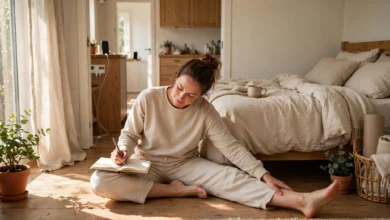
When you are always rushing, your mind is always somewhere else: the next task, the next meeting, the next notification. Slow living encourages you to come back to the present. People often report feeling calmer, less anxious, and more in control of their days. Simple habits like walking without headphones or journaling in the morning can make a noticeable difference.
3. Stronger Relationships
It is hard to be a good friend or partner when you are only half there. Slowing down frees up time and attention for the people you care about. Long dinners, unhurried phone calls, and evenings without screens all help relationships grow deeper. Many people say this is the change they value most.
4. A Healthier Work-Life Balance
Work-life balance is a phrase that gets thrown around a lot, but slow living gives it real shape. It might mean setting clear work hours, turning off email notifications after a certain time, or saying no to projects that drain you. Work still matters, but it stops taking over everything else.
5. More Joy in Everyday Moments
When you slow down, small things start to feel bigger. The smell of fresh coffee, the light in the late afternoon, a good conversation on the way home. These moments were always there. Slow living just gives you the space to notice them. Over time, this habit of noticing can make an ordinary life feel surprisingly rich.
6. Saving Money and Living More Sustainably
Slow living often goes hand in hand with simple living. When you buy less, repair more, and choose quality over trends, you naturally spend less. You also create less waste. For many people, the environmental side is a strong motivation. Slow fashion, local food, and fewer impulse purchases are all kinder to the planet.
7. A Clearer Sense of Purpose
When you strip away the noise, you start to see what you actually care about. Slow living encourages regular reflection, and that reflection often leads to clearer priorities. People find themselves making bigger decisions with more confidence, from changing careers to moving closer to family, because they finally have the quiet to think them through.
Slow Living vs. Minimalism: What Is the Difference?
People often mix up slow living and minimalism, and it is easy to see why. Both push back against excess, and they often show up together. But they focus on different things.
| Slow living | Minimalism | |
|---|---|---|
| Main focus | Time, pace, and attention | Possessions and physical space |
| Core question | Am I living at a pace that feels right? | Do I need this item? |
| Typical habits | Unhurried meals, rest, fewer commitments | Decluttering, buying less, capsule wardrobes |
| Can you do one without the other? | Yes | Yes |
A minimalist could still live a frantic, overbooked life in a tidy apartment. Someone practicing slow living could have a home full of books and plants. That said, many people find the two support each other well. Owning less means less to clean, maintain, and worry about, which frees up time for the slower life they want.
Common Myths About the Slow Living Lifestyle
Because slow living is popular online, it has picked up a few misconceptions. Here are the most common ones.
- Myth: You need to live in the countryside. Plenty of people practice slow living in big cities. It is about how you spend your time, not your postcode.
- Myth: It is only for people with money. Pretty photos of linen and handmade ceramics can give that impression. In reality, buying less and cooking at home usually save money.
- Myth: It means being lazy or unambitious. Slow living is about focus, not inaction. Many people find they get more meaningful work done when they stop spreading themselves thin.
- Myth: You have to change everything at once. Big overhauls rarely stick. Small, steady changes are more in keeping with the whole idea anyway.
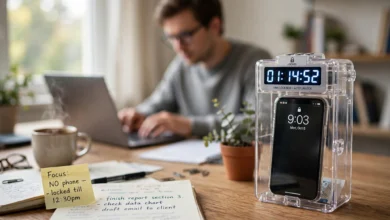
- Myth: It means giving up technology. A digital detox can help, but slow living is about using technology on purpose, not throwing your phone in a lake.
How to Start Slow Living: 10 Practical Steps
If you want to try slow living but are not sure where to begin, start small. Pick one or two of these ideas and give them a few weeks before adding more.
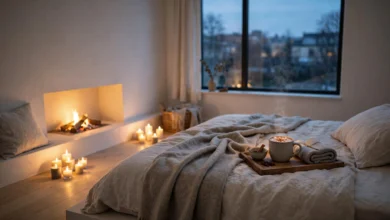
- Start your morning without your phone. Give yourself the first 30 minutes of the day before you check messages or news. Use that time for coffee, stretching, or just sitting quietly.
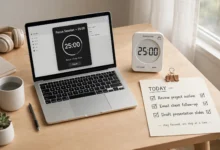
- Single-task whenever you can. Multitasking feels productive but usually means doing several things badly. Try giving one task your full attention until it is done.
- Audit your calendar. Look at your week and ask which commitments you actually want to keep. Drop or delegate one thing that drains you.
- Eat at least one meal slowly each day. Sit down, put your phone away, and taste your food. If you can, cook it yourself.
- Try a regular digital detox. It does not have to be dramatic. A screen-free evening each week or turning off non-essential notifications is a great start.
- Spend time outside. A short walk in a park, time in a garden, or a few minutes looking at the sky can reset your mood more than you would expect.
- Declutter one space. A cleared desk or a tidy kitchen counter can make a room feel calmer. Start with a single drawer if that is all you have energy for.
- Build in margin. Leave gaps between appointments so you are not always rushing from one place to the next. Arriving early is a small, underrated luxury.
- Pick up a slow hobby. Reading, gardening, knitting, baking, drawing, or playing an instrument all reward patience and focus.
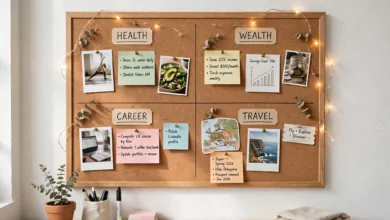
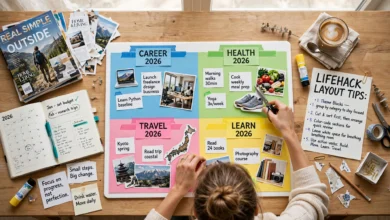
- Reflect regularly. Spend ten minutes at the end of each week asking what felt good and what felt rushed. Adjust from there.
Slow Living at Work
Work is where many people feel the most pressure, so it deserves its own mention. You may not control your workload completely, but you can often control how you approach it.
- Block focused time on your calendar and protect it like a meeting.
- Batch email checks to two or three times a day instead of reacting to every message.
- Take your full lunch break, preferably away from your desk.
- Set a clear end to your workday and stick to it as often as you can.
- Speak up about unrealistic deadlines before they become a crisis.
These small changes support a healthier work-life balance without requiring a career change.
Slow Living at Home and With Family
At home, mindful living can be as simple as a shared dinner with no screens or a weekend morning with nothing planned. Kids especially benefit from unstructured time. It gives them space to play, get bored, and use their imagination. Slowing down as a family also models healthy habits that children carry into adulthood.
The Challenges of Slow Living (and How to Handle Them)
It would be dishonest to pretend that slow living is always easy. The world around you will keep moving fast, and that creates some real friction.
Pressure From Others
Friends, family, or coworkers may not understand why you are turning down plans or leaving work on time. Some may see it as a lack of ambition. The best response is usually a calm, simple explanation and consistency. Over time, people tend to respect clear boundaries, and some may even start to follow your lead.
Financial and Work Realities
Not everyone can cut their hours or pass on extra shifts. If money is tight, slow living may look less like a reduced schedule and more like protecting small pockets of time: a quiet cup of tea before work, a walk on a day off, an early night. These small moments still count.
The Pull of Old Habits
You will catch yourself scrolling, rushing, and overcommitting, especially at first. That is normal. Slow living is a practice, not a test you pass or fail. When you notice yourself slipping, just come back to it without beating yourself up.
Turning It Into Another Performance
There is an odd irony in trying to slow down perfectly. Some people treat slow living as a new project to optimize, complete with aesthetic photos and strict routines. If it starts to feel like pressure, that is a sign to loosen up. The goal is a calmer life, not a prettier feed.
Conclusion
Slow living is not about doing everything slowly or walking away from modern life. It is about choosing your pace on purpose and giving your time to what matters most. Rooted in the Slow Food protest of the 1980s and shaped by the wider slow movement, it has grown into a flexible approach built on intention, quality, presence, connection, and rest.
People love the slow living lifestyle because it eases stress, supports mental health, strengthens relationships, improves work-life balance, saves money, and brings more joy and purpose to ordinary days. It has its challenges, from social pressure to old habits, but you do not need to change everything at once. Start with one small step, like a phone-free morning or a slower meal, and build from there.