How to Find Work-Life Balance in 2026
Work-life balance in 2026 feels harder than ever. Here are 12 proven, realistic ways to set boundaries, avoid burnout, and protect your personal time.

Work-life balance used to mean leaving the office at five and not thinking about your job until the next morning. That version is mostly gone. In 2026, work lives in your pocket. Slack pings follow you to dinner, AI tools have sped up the pace of everything, and the line between home and office has gotten blurry for millions of people in remote work and hybrid work setups.
The result is that a lot of us feel busy all the time but rarely feel done. If you’ve ever answered an email from bed, skipped the gym because a meeting ran over, or felt guilty taking a sick day, you know exactly what this looks like. Burnout isn’t rare anymore. It’s common enough that the World Health Organization formally recognizes it as an occupational phenomenon.
The good news is that a healthy work-life balance is still possible. It just looks different now. It’s less about splitting your hours evenly and more about deciding what matters, protecting it, and building small habits that hold up during busy weeks.
This guide covers what work-life balance really means today, why it’s harder to hold onto, the warning signs that yours is slipping, and 12 practical strategies you can start using this week. Whether you work in an office, from your kitchen table, or somewhere in between, you’ll find ideas here that fit real life, not some perfect version of it.
What Work-Life Balance Really Means in 2026
A lot of people picture work-life balance as a perfect 50/50 split. Eight hours of work, eight hours of life, eight hours of sleep. Nice idea, but almost nobody lives like that, and chasing it usually makes people feel like they’re failing.
A more useful definition is this: you have a healthy work-life balance when your job leaves you enough time, energy, and attention for the things you care about outside of it. Some weeks work will take more. Some weeks your family, health, or a side project will. Balance is about the overall pattern, not any single day.
Work-Life Balance vs. Work-Life Integration
You’ll also hear the term work-life integration. Instead of keeping work and personal life in separate boxes, integration lets them overlap on purpose. You might take a two-hour break to pick up your kids and then log back on in the evening. For some people, especially parents and freelancers, that flexibility is exactly what makes life work.
The catch is that integration only works when you control it. If the overlap is happening because work keeps spilling into every corner of your day, that’s not integration. That’s just no boundaries.
Why Balance Is Personal
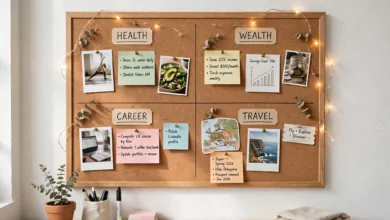
A 26-year-old building a career, a single parent, and someone caring for an aging parent will all need different things. Before you copy anyone else’s routine, ask yourself what a good week looks like for you. Write down three things you want more time for and three things that drain you. That short list will guide every decision in the rest of this article.
Why Finding Work-Life Balance Feels Harder Than Ever
If you feel like keeping a good work-life balance is tougher now than it was a few years ago, you’re not imagining it. A few big shifts are working against you.

Always-On Technology
Your phone gives work a direct line to you at all hours. Notifications are designed to grab attention, and every quick check of email resets your brain back into work mode. Even if you only spend five minutes, the mental switch can cost you much more.
Remote and Hybrid Work Blur the Lines
Remote work removed the commute, which is great. But it also removed the natural signal that the workday was over. When your laptop sits on the dining table, it’s easy to “just finish one thing” at 9 p.m. Hybrid work adds its own stress, with people juggling two different setups and schedules each week.
AI Has Sped Up Expectations
AI tools help people produce more in less time. In theory, that should free up hours. In practice, many teams have simply raised the bar on output and response times. Faster work often turns into more work, not less.
Economic Pressure
Rising living costs and job market uncertainty make people nervous about saying no. Many take on extra projects or side gigs to feel secure, which eats into the time they would otherwise use to rest.
Warning Signs Your Work-Life Balance Is Off
Imbalance rarely shows up all at once. It builds slowly, and by the time you notice, you might already be close to burnout. Watch for these signs:
- You feel tired even after a weekend off. Rest isn’t restoring you anymore.
- You check work messages first thing in the morning and last thing at night. Your brain never gets a full break.
- Your hobbies have quietly disappeared. You can’t remember the last time you did something just for fun.
- You’re irritable with people you love. Stress from work is leaking into your relationships.
- Your sleep, eating, or exercise habits have slipped. Physical health is often the first thing to go.
- You dread Sunday evenings. Anxiety about the week ahead steals your time off.
- You feel cynical or detached about your job. This is one of the classic markers of burnout.
The World Health Organization describes burnout as a result of chronic workplace stress that hasn’t been managed well, marked by exhaustion, mental distance from your job, and reduced effectiveness. You can read the WHO’s official description of burnout to understand how it’s defined. If several of the signs above sound familiar, it’s time to make some changes, and the strategies below are a good place to start.
12 Proven Ways to Improve Your Work-Life Balance in 2026
You don’t need to overhaul your whole life. Pick two or three of these, try them for a month, and build from there. Small changes that stick beat big plans that fall apart by Wednesday.
1. Define Your Non-Negotiables
Start by naming the few things you won’t give up, no matter how busy work gets. Maybe it’s dinner with your family, three workouts a week, or eight hours of sleep. Once those are clear, you can plan work around them instead of squeezing them in with whatever time is left.
Write them down and put them somewhere you’ll see them. When a new request comes in, you’ll have an easy way to decide whether it fits.
2. Set Clear Working Hours and Stick to Them
Setting boundaries around time is the single most effective habit for a healthy work-life balance. Pick a start time and an end time, share them with your team, and treat them like a meeting you can’t move.
A few tips that help:
- Add your working hours to your email signature or chat status.
- Set your calendar so people can’t book meetings outside those hours.
- Create a short shutdown routine, like writing tomorrow’s to-do list and closing your laptop, to signal the day is over.
3. Use the Right to Disconnect
Several countries, including France, Portugal, and Australia, now have right to disconnect laws that limit when employers can expect you to respond. Even if your country doesn’t have one, many companies have adopted similar policies. Check your employee handbook. If nothing exists, it’s a fair topic to raise with your manager or HR.
4. Turn Off Non-Urgent Notifications
Most notifications aren’t urgent. They just feel that way. Go through your phone and turn off work app alerts after hours. Use focus modes to allow calls only from family and a few key people in the evening. You’ll be surprised how much calmer your nights feel.
5. Practice Smarter Time Management
Good time management isn’t about cramming more into the day. It’s about doing the right work at the right time so you can actually stop.
Try these methods:
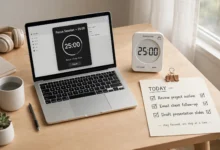
- Time blocking: Assign each part of your day to a specific task, including breaks and personal time.
- The two-minute rule: If something takes less than two minutes, do it now so it doesn’t pile up.
- Batching: Answer emails and messages in two or three set windows instead of all day long.
- Energy matching: Do your hardest thinking when your energy is highest, and save admin for the afternoon slump.
6. Learn to Say No (Without the Guilt)
Every yes to an extra task is a quiet no to something else, usually your personal time. You don’t have to refuse everything, but you can be honest about your capacity. Try phrases like:
- “I can take that on, but it means pushing back X. Which matters more?”
- “I don’t have room this week. Could we look at it next Monday?”
- “I’m not the best person for this, but Sam might be.”
These keep you helpful while protecting your work-life balance.
7. Let AI Handle the Busywork
AI can either add to your workload or take things off it. Use it on purpose. Let it draft routine emails, summarize long threads, take meeting notes, or organize your task list. Then use the time you save for rest, not for picking up more work. That last part is the key, and it’s the part most people skip.
8. Protect Your Sleep
Sleep is where your body and mind recover. When work stress cuts into it, everything else gets harder: focus, mood, patience, even your immune system. Aim for a consistent bedtime, keep screens out of the bedroom if you can, and stop checking work messages at least an hour before sleep.
9. Move Your Body Every Day
Exercise is one of the best tools for stress management. You don’t need an hour at the gym. A 20-minute walk at lunch, a short stretch between calls, or a bike ride after work all count. Movement also creates a natural break between work and personal time, which is especially useful if you work from home.
10. Schedule Real Time Off
Unused vacation days don’t earn you any prizes. Plan your time off in advance and put it on the calendar early in the year. When you’re away, set an out-of-office message, hand off urgent tasks, and remove work apps from your phone if you can. A full break, even a long weekend, does more for mental health than a week of half-checking email from the beach.
11. Try a Regular Digital Detox
A digital detox doesn’t have to mean a week in the woods. Try one screen-free evening a week, a phone-free Sunday morning, or a rule that phones stay off the dinner table. These small breaks help your brain reset and remind you what it feels like to be fully present.
12. Invest in Relationships and Hobbies
Work can take up so much space that friendships and hobbies quietly fade. Put them back on your calendar on purpose. Call a friend on your commute, join a weekly class, or pick up an old hobby. These things give your life meaning outside your job, which makes work stress easier to handle.
The Mayo Clinic has a helpful guide on how to recognize and deal with job burnout if you want more practical advice on recovery.
Work-Life Balance Tips for Remote and Hybrid Workers
Working from home gives you freedom, but it also takes away the structure an office provides. If you’re in remote work or a hybrid work setup, these extra habits can make a real difference:
- Create a dedicated workspace. Even a small corner of a room helps. When you leave that spot, you leave work.
- Fake a commute. A short walk before and after work gives your brain a clear start and finish.
- Get dressed for work. It sounds minor, but changing clothes at the end of the day is a simple cue that you’re off the clock.
- Take real lunch breaks. Eat away from your desk. Step outside if you can.
- Plan your office days carefully. On hybrid schedules, save collaboration and meetings for office days and keep home days for focused work.
Watch Out for the “Always Available” Trap
Remote workers often feel they need to prove they’re working by replying instantly. That pressure is one of the biggest threats to work-life balance for people at home. Focus on clear results and regular updates instead. When your manager can see what you’re delivering, they’re far less likely to care how fast you answer a message at 8 p.m.
How to Talk to Your Employer About Work-Life Balance
Sometimes the problem isn’t your habits. It’s your workload or your workplace culture. In that case, a conversation with your manager may be the most useful step you can take.
Here’s a simple way to approach it:
- Prepare specifics. Note how many hours you’ve been working, which tasks are taking the most time, and how it’s affecting your output.
- Focus on results. Frame it around doing better work, not just doing less. Tired people make more mistakes, and most managers know that.
- Bring a solution. Suggest a change, like moving a project deadline, shifting a recurring task to someone else, or trying flexible work hours.
- Agree on a check-in. Set a date a few weeks out to see whether the change is helping.
If your company consistently ignores reasonable requests and burnout keeps building, that’s useful information too. A job that doesn’t respect your time isn’t worth losing your health over.
Conclusion
Finding work-life balance in 2026 isn’t about splitting your hours perfectly or never answering an email after six. It’s about knowing what matters to you, setting clear boundaries around your time, and building small daily habits that protect your energy, from turning off notifications and managing your time well to sleeping enough, moving your body, and taking real breaks.
Technology, remote work, and rising expectations have made balance harder to hold onto, but they haven’t made it impossible. Start with two or three of the strategies in this guide, pay attention to the warning signs of burnout, speak up when your workload is too much, and adjust as your life changes, because a healthy work-life balance is something you keep working on rather than something you finish.