What Is Hygge and How to Bring It Home
Hygge is the Danish art of cozy, contented living. Here is what it means, where it comes from, and 12 simple ways to bring hygge home.
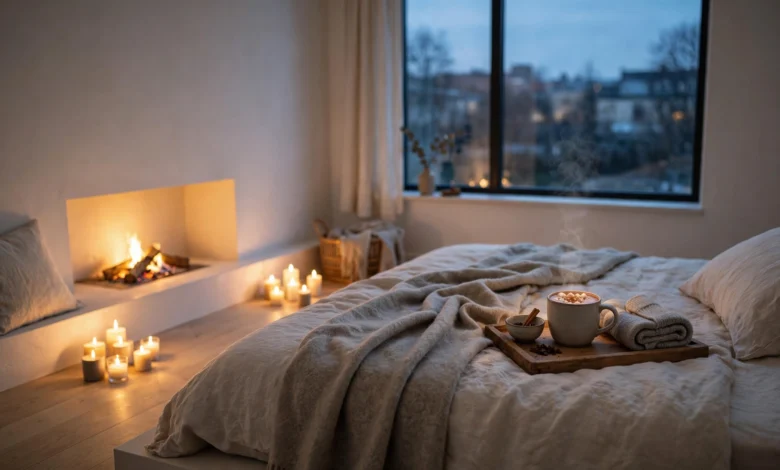
Hygge is one of those words that sounds a little odd at first and then quietly makes perfect sense. Pronounced “hoo-gah,” it is the Danish word for a feeling most of us already know: the calm, warm contentment of a candlelit evening, a good meal with people you like, or a slow Sunday morning with nowhere to be. If you have ever looked around a room and thought “this is exactly where I want to be,” you have felt hygge.
Over the past decade, the Danish concept of coziness has spread far beyond Denmark. You will find it on candle labels, blanket tags and endless decor boards. Some of that is marketing, sure. But underneath the trend is a practical, low-cost way of living that has a lot to offer, especially if your days feel rushed or your home feels more like a place to charge your phone than to recharge yourself.
This guide answers the question what is hygge in plain terms. We will look at the hygge meaning, where the word came from, and why Danes treat it as part of everyday life rather than a seasonal look. Then we will get practical, with 12 simple ways to create a hygge home without filling it with new stuff. You will find ideas for lighting, textures, food, daily rituals and the social side of hygge, which is honestly the part most people skip. By the end, you will know how to bring more warmth into both your space and your routine.
What Is Hygge? The Real Hygge Meaning
At its simplest, hygge is the feeling of being comfortable, safe and content in the moment, usually in good company. It is less about a specific object or style and more about an atmosphere you create and then actually enjoy. A pot of tea, warm socks, a friend on the sofa and no rush to be anywhere else: that combination is hygge.
Hygge Meaning in Simple Terms
There is no perfect English translation, which is part of why the word caught on. “Cozy” gets close, but it misses the emotional side. A more complete hygge meaning blends a few ideas:
- Comfort: physical ease, like soft fabrics, warmth and good food.
- Togetherness: time with people you trust, where nobody is performing or competing.
- Presence: paying attention to what is happening now instead of the next task.
- Simplicity: small, ordinary pleasures rather than big or expensive ones.
- Safety: a sense that, for this hour at least, things are fine.
Danes also use the word as an adjective, “hyggelig,” to describe a place, an evening or even a person. A café can be hyggelig. So can a long walk with a friend.
Where the Word Hygge Comes From
According to Visit Denmark’s guide to hygge, the word did not start in Danish at all. It came from old Norwegian, where it meant something close to well-being, and it began showing up in Danish writing around the late 1700s. Since then it has become woven into daily Danish speech and culture.
The idea took off internationally around 2016, when several books on Danish hygge became bestsellers and the word was shortlisted as one of the words of the year by English dictionaries. That boom is why many people outside Scandinavia first met hygge through shop displays rather than through Danish life itself.
How to Pronounce Hygge
Say it “hoo-gah” or “hue-guh,” with the stress on the first syllable. It does not rhyme with “jiggy” or “higgy.” If you get it slightly wrong, nobody in Denmark will mind. It would be very un-hygge to correct you.
What Hygge Is Not
Because the word has been used to sell so much, it helps to be clear about what hygge is not:

- It is not a shopping list. You do not need a specific throw, mug or candle brand. Most hygge happens with things you already own.
- It is not a strict decor style. Hygge decor often overlaps with Scandinavian design, but a cluttered cottage full of family photos can be far more hyggelig than a perfect minimalist flat.
- It is not about perfection. A hygge evening is relaxed. Burnt toast and mismatched chairs are welcome.
- It is not only for winter. Winter is the high season, but summer picnics and long outdoor dinners count too.
- It is not about being alone all the time. Solo hygge is real, but the heart of the idea is shared time with others.
Why the Hygge Lifestyle Matters
The hygge lifestyle is popular for a simple reason: it gives people permission to slow down without feeling guilty about it. In a culture that often rewards being busy, hygge treats rest, comfort and company as things worth planning for.
Hygge and Danish Happiness
Denmark regularly ranks near the top of global happiness surveys, and hygge often gets some of the credit. National Geographic’s feature on Danish hygge points out that the home sits at the center of Danish social life, and that most Danes say home is where they experience hygge most. That detail matters. It means hygge is not something Danes travel to or buy. It is something they build into ordinary evenings.
To be fair, hygge is not the only reason Danes report high life satisfaction. Strong social trust, work-life balance and a solid safety net play big roles too. But hygge reflects those same values on a small, personal scale: time is protected, people come first, and life does not have to be impressive to be good.
The Wellbeing Benefits of a Hygge Lifestyle
Nobody needs a study to know that a calm evening with friends feels good. Still, the core habits behind hygge line up well with what we know supports wellbeing:
- Social connection. Regular, low-pressure time with friends and family is one of the most reliable ways to feel less lonely and more supported.
- Real rest. Hygge encourages you to stop and enjoy downtime instead of filling every gap with errands or scrolling.
- A calmer environment. Softer light, less clutter and fewer screens can make a home feel less stimulating at the end of a long day.
- Gratitude for small things. Noticing the good in a cup of coffee or a quiet morning is a habit, and hygge practices it constantly.
- Slow living. Hygge fits neatly with the wider slow living movement, which focuses on doing fewer things with more attention.
Hygge Works Year-Round
Danish winters are long and dark, so candles and blankets get a lot of attention. But hygge does not switch off in spring. In warmer months it looks like picnics in the park, barbecues with neighbours, bike rides and long evenings outside. The setting changes. The feeling stays the same: comfortable, unhurried and shared.
12 Effortless Ways to Bring Hygge Into Your Home
Creating a hygge home is less about a makeover and more about small shifts that change how a space feels. Start with one or two ideas below, live with them for a week, then add more.
1. Switch to Soft, Warm Lighting
Lighting does more for hygge than anything else. Harsh overhead lights make a room feel like an office. Instead, use several low light sources at different heights: a floor lamp in one corner, a table lamp by the sofa, string lights on a shelf. Choose warm white bulbs (around 2700K) rather than cool daylight ones. In the evening, try turning the ceiling light off completely and see how different the room feels.
2. Light Candles, Safely
Candles are the classic symbol of Danish hygge, and Danes burn a lot of them, especially in winter. A few unscented or lightly scented candles on the table at dinner instantly slow the pace of a meal. Keep safety in mind: never leave candles burning unattended, keep them away from curtains and shelves, and use sturdy holders. If you have kids or pets, good-quality LED candles give a similar glow without the risk.
3. Create a Hyggekrog (Your Cozy Nook)
A hyggekrog is a small, snug corner where you can curl up and unwind. It might be a window seat, an armchair with a footstool, or a pile of cushions on the floor. What makes it work:
- A comfortable seat you can sink into
- A soft blanket within reach
- A small lamp or candle nearby
- A side table for a mug and a book
- Ideally, a view of a window or something green
You do not need a big home for this. Even a corner of the bedroom can become a hyggekrog.
4. Layer Soft Textures
Texture is a quiet but powerful part of hygge decor. Think wool throws, knitted cushion covers, a sheepskin or faux fur rug, linen bedding and thick socks. Mixing a few different textures in one spot makes a room feel inviting and lived-in. You do not have to buy new things; pulling blankets out of a cupboard and draping them where people actually sit often does the job.
5. Bring Nature Indoors
Natural elements make a home feel grounded and calm. Some easy ways to do it:
- Add a few houseplants that suit your light.
- Display branches, pinecones, dried flowers or stones from a walk.
- Choose wood, wool, cotton, ceramic and stone over plastic where you can.
- Open the windows for fresh air, even briefly on cold days.
This connection with nature is a big part of Scandinavian living, where time outdoors is valued in every season.
6. Use a Calm, Natural Color Palette
Most cozy home ideas inspired by hygge rely on soft, earthy colors: creams, warm whites, oatmeal, soft greys, muted greens and wood tones. These shades are easy on the eyes and help a room feel restful. You do not need to repaint everything. Swapping a few cushion covers or a throw for warmer neutrals can shift the mood of a room in an afternoon.
7. Declutter With Kindness, Not Rules
Clutter makes it hard to relax. Hygge does not ask you to be a minimalist, but it does ask you to keep what makes your home feel good and let go of what just adds noise. A simple approach:
- Clear every flat surface and only return what you use or love.
- Give items a “home” so tidying takes minutes, not hours.
- Keep sentimental pieces, books and handmade things on display. They add warmth.
The goal is a space that feels easy, not a space that looks staged.
8. Cook Slow, Simple Comfort Food
Food is a big part of the hygge lifestyle. Think soups, stews, fresh bread, porridge, cinnamon buns and anything that fills the kitchen with a good smell. The point is not fancy cooking. It is the slow, sociable process: chopping vegetables while someone chats to you, letting a pot simmer, eating without rushing. Baking on a cold weekend afternoon is about as hyggelig as it gets.
9. Make a Screen-Free Zone
Phones and laptops pull your attention away from the people and the moment in front of you. Pick one room, or even one corner, where screens do not go. The dining table is a good place to start. You can also set a simple routine, like phones in a basket during dinner or no screens after 9 pm. Replace that time with books, board games, puzzles, music or conversation.
10. Invite People Over and Keep It Simple
This is the part of hygge many guides skip, but it is the heart of it. Hygge is about togetherness. Invite a few friends for soup and bread, a board game night or a potluck. Keep the group small, the menu easy and the expectations low. Nobody should feel they need to impress anyone. A shared, relaxed evening in a warm room is the purest form of hygge.
11. Build Small Daily Rituals
Hygge lives in routines. Small, repeated moments of comfort give your day a steady rhythm. Ideas to try:
- A slow morning coffee by the window before checking your phone
- An evening walk after dinner
- Lighting a candle when you sit down to read
- A weekly Sunday breakfast with family or housemates
- A warm bath with low light at the end of a hard day
Pick one ritual and protect it, the way you would protect an important appointment.
12. Dress for Comfort at Home
Danes even have a word for the comfy trousers you would never wear in public but love wearing at home: “hyggebukser.” Changing into soft, warm clothes when you get home is a small signal to your brain that the working day is over. Add thick socks or slippers and a big jumper, and you are ready for a proper hygge evening.
Hygge Through the Seasons
Hygge shifts with the weather, but it never really disappears. Here is how it can look across the year:
- Winter: candles, blankets, soups, board games, baking and long evenings indoors with friends.
- Spring: fresh flowers on the table, open windows, first coffees outside and lighter textiles.
- Summer: picnics, barbecues, swims, outdoor dinners that run late and bike rides with no destination.
- Autumn: walks through falling leaves, apple and cinnamon baking, and the first fire or candle of the season.
Thinking about hygge this way keeps it from becoming a winter-only trend and turns it into a year-round habit.
Common Hygge Mistakes to Avoid
It is easy to miss the point of hygge, especially when so much advice focuses on products. Watch out for these:
- Buying your way into it. A new blanket is nice, but spending a lot on hygge decor while ignoring time with people misses the whole idea.
- Chasing a picture-perfect look. If your space looks like a catalogue but you feel tense in it, it is not hygge.
- Making hosting stressful. Elaborate menus and perfect tables add pressure. Simple food and good company always win.
- Treating it as a solo escape only. Quiet nights alone are great, but hygge is at its best when it is shared.
- Keeping your phone in your hand. It is hard to be present with a notification every few minutes.
Hygge on a Budget
One of the best things about hygge is that it costs very little. Most of it is free: dimming the lights, making tea, calling a friend over, going for a walk, reading a library book. If you want to spend anything, put it toward a couple of warm-toned bulbs, a few candles and a thrifted wool blanket. Those three things change a room more than any expensive piece of furniture.
Frequently Asked Questions About Hygge
What does hygge mean in English?
There is no exact translation. The closest English words are “coziness” and “contentment,” but hygge also includes togetherness, comfort and being present in the moment.
Is hygge a decor style?
Not really. Hygge decor tends to use warm light, natural materials and soft textures, but hygge itself is a feeling and a way of living, not a set of design rules.
Can you practice hygge alone?
Yes. Reading with a candle lit, taking a long bath or enjoying a slow breakfast are all solo hygge. Still, Danes see shared time with others as the heart of it.
Do I need to live somewhere cold to enjoy hygge?
No. Cold, dark winters help explain why the idea grew in Denmark, but the hygge lifestyle works anywhere. In hot climates it might mean shaded courtyards, cool drinks and long evening meals outdoors.
What is the difference between hygge and minimalism?
Minimalism focuses on owning less. Hygge focuses on feeling good. They overlap in valuing calm, uncluttered spaces, but hygge is happy to keep the sentimental, slightly messy things that make a home feel personal.
Conclusion: Making Hygge Part of Everyday Life
Hygge is not a product, a color scheme or a winter trend. It is a simple, very human idea: make your surroundings warm, slow down long enough to enjoy them, and share that time with people you care about. We covered the hygge meaning and its roots in old Norwegian and Danish life, why the hygge lifestyle is linked to wellbeing and Danish happiness, and 12 practical ways to create a hygge home, from warm lighting, candles and a cozy hyggekrog to soft textures, natural materials, comfort food, screen-free time, small rituals and easy evenings with friends.
You do not need to change everything at once or spend much money. Pick one idea tonight, dim the lights, make something warm to drink, and notice how it feels. That small, unhurried moment is where hygge starts, and with a bit of practice it can become a steady, happy part of how you live.