How to Declutter Your Home in a Weekend
Declutter your home in a weekend with a simple room-by-room plan, smart sorting rules, and easy habits that keep your space calm and clutter-free.
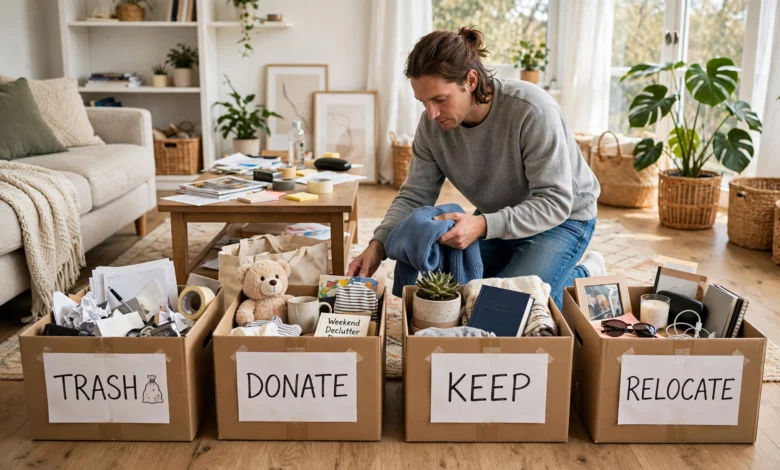
Declutter your home in a weekend and you will be surprised how different Monday feels. Most of us don’t wake up one day buried in stuff. It builds slowly: a stack of mail here, a bag of clothes you meant to return there, a kitchen drawer that no longer closes. Then one evening you look around and realize the house is running you instead of the other way around.
The good news is that you don’t need a month off work or a professional organizer to fix it. A focused 48 hours, a clear plan, and a few boxes are enough to make a real dent. You won’t reach magazine-level perfection, and that isn’t the goal. The goal is a clutter-free home where you can find your keys, see your countertops, and relax without a mental to-do list nagging at you from every corner.
This guide walks you through a practical weekend decluttering plan, hour by hour and room by room. You will learn how to prepare on Friday night, which rooms to tackle first on Saturday, how to make fast decisions about what stays and what goes, and how to finish strong on Sunday. We will also cover what to do with the items you let go of and the small daily habits that stop clutter from creeping back.
Grab a coffee, clear your calendar, and let’s get your space back.
Why It Pays to Declutter Your Home in a Weekend
Spreading a big cleanup over months sounds gentler, but it rarely works. Motivation fades, half-sorted piles sit in the hallway, and the project quietly dies. When you declutter your home in a weekend, you get momentum. Every finished room gives you a visible win, and that win pushes you into the next one.
There is also a real mental payoff. In a well-known UCLA study, researchers found that women who described their homes as cluttered had less healthy daily stress hormone patterns than women who described their homes as restful. You can read the original paper, Saxbe and Repetti’s study on home environments and cortisol, in Personality and Social Psychology Bulletin. The sample was small, so it isn’t the final word, but it lines up with what most people feel: a messy space is tiring to live in.
A short, focused push also has practical benefits:
- You make faster decisions. A deadline stops you from agonizing over every old T-shirt.
- You see the whole picture. Working through the house in two days shows you where duplicates and problem areas really are.
- You get a fresh starting point. It is much easier to maintain a tidy home than to dig out of a cluttered one.
How to Prepare for Your Weekend Decluttering Plan
The work you do on Friday evening decides how smooth Saturday and Sunday will be. Give yourself one or two hours to set things up. It feels like a delay, but it saves you far more time later.
Set a Realistic Goal
Walk through every room with your phone and take a quick photo of each one. These “before” shots are great motivation later. As you walk, rank the rooms by how much they bother you. Be honest about what two days can cover. For most people, the main living areas, kitchen, bedrooms, and bathrooms are doable. A packed garage or basement might need its own weekend.
Write down one clear goal for each room. “Clear the dining table so we can eat there again” is better than “organize the dining room” because you will know exactly when you are done.

Gather Your Decluttering Supplies
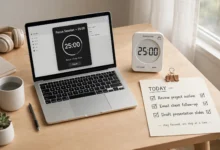
Having everything ready means you won’t stop mid-task to hunt for bags. Here is a simple decluttering checklist of supplies:
- Heavy-duty trash bags
- Four large boxes or laundry baskets, labeled clearly
- A marker and masking tape for labels
- Basic cleaning supplies: microfiber cloths, all-purpose spray, a vacuum
- A phone timer or a kitchen timer
- Water, snacks, and a good playlist or podcast
Use the Four-Box Sorting Method
The simplest way to get rid of clutter is to give every item a clear destination. Set up four labeled boxes:
- Keep: things you use regularly or truly love.
- Donate or sell: items in good condition that you no longer need.
- Toss or recycle: broken, expired, or worn-out items.
- Relocate: things that belong in a different room.
This keep donate toss system stops you from wandering around the house every time you find a stray item. You drop it in the relocate box and deal with it once, at the end of each room.
Block Out Your Schedule
Treat this weekend like an appointment you can’t move. Tell your family the plan, arrange childcare if you can, and turn off notifications that will pull you away. Plan to work in focused blocks of 60 to 90 minutes with a 10 to 15 minute break in between. Short, timed sessions keep your energy up and your decisions sharp.
Saturday: Declutter Room by Room
Saturday is your heavy-lifting day. You have the most energy, so this is when you tackle the busiest, most-used spaces. The idea is to declutter room by room, finishing each space completely before moving on. A half-done kitchen and a half-done bedroom feel worse than one finished room.
Here is a sample schedule you can adjust to fit your home:
| Time | Area | Main goal |
|---|---|---|
| 8:30 to 11:00 | Kitchen | Clear counters, empty expired food, cut duplicate tools |
| 11:15 to 1:00 | Living room | Clear surfaces, sort media, papers, and toys |
| 1:00 to 1:45 | Lunch break | Rest and refuel away from the mess |
| 1:45 to 4:30 | Bedrooms and closets | Edit clothes, clear nightstands and under the bed |
| 4:45 to 6:00 | Bathrooms | Toss old products, reset cabinets and counters |
Start With the Kitchen
The kitchen is where clutter hurts the most, because you use it several times a day. Start with the counters. Remove everything, wipe them down, and only put back the items you use daily, like the kettle or coffee maker.
Next, move through the cabinets and drawers one at a time:
- Pantry and fridge: Check dates and toss anything expired or stale.
- Duplicates: Most kitchens have three spatulas, five can openers, or a mountain of mugs. Keep your favorites and donate the rest.
- Food storage containers: Match every lid to a base. Anything without a partner goes.
- Rarely used gadgets: If you haven’t touched that bread maker or spiralizer in a year, it is time to let it go.
Clear the Living Room
The living room collects a little of everything: remotes, chargers, magazines, kids’ toys, and random paperwork. Start with flat surfaces like the coffee table, side tables, and shelves, since these make the biggest visual difference.
Gather all loose paper into one pile and sort it quickly into action, file, and recycle. Go through DVDs, books, and games, and keep only the ones your household actually enjoys. If toys have taken over, choose a set number of bins and keep only what fits. This one simple limit does a lot of the deciding for you.
Edit Bedrooms and Closets
Your bedroom should feel calm, so aim to clear the nightstands, dresser tops, and floor first. Then move to the closet, which is often the biggest job of the day.
One of the most effective decluttering tips for clothes is to declutter by category rather than shelf by shelf. Pull out all your shirts, then all your jeans, and so on. Seeing 14 black T-shirts in one pile makes it obvious that you can let a few go. Ask yourself these questions as you sort:
- Have I worn this in the past 12 months?
- Does it fit me right now?
- Would I buy it again today?
- Do I feel good when I wear it?
If the answer is no to most of them, it goes in the donate box. Don’t forget the space under the bed, which tends to hide things you forgot you owned.
Reset the Bathrooms
Bathrooms are small, so they move quickly and give you a nice win at the end of a long day. Empty one cabinet or drawer at a time. Toss expired medicine, dried-out makeup, old sunscreen, and half-used products you never liked. Keep daily items within easy reach and store backups together in one basket so you can see what you already have before buying more.
Sunday: Finish the Hidden Spots and Wrap Up
Sunday has a different job. You handle the smaller, sneakier areas, deal with the boxes you filled on Saturday, and put everything you kept in a proper place. Plan for a slightly lighter day so you don’t head into Monday exhausted.
Tackle Entryways, Junk Drawers, and the Home Office
Start with the entryway, since it sets the tone every time you walk in. Clear shoes you don’t wear, old bags, and anything that isn’t needed by the door. Add a hook or tray for keys so they have one obvious home.
The junk drawer is next. Empty it fully onto a towel, toss dead batteries and mystery keys, and put back only the useful bits, ideally sorted in a small drawer organizer. Then move to the home office or paperwork corner. Shred old statements you don’t need, recycle outdated manuals, and clear your desk down to the essentials.
Deal With Storage Areas Wisely
If you have time left, give the garage, attic, or storage closet a quick pass. Don’t try to perfect them. Focus on the obvious wins: broken items, empty boxes, and things you have been meaning to drop off for years. A deeper storage cleanup can be its own weekend project later.
Put Everything Back With a Purpose
Now empty your relocate box and return each item to the room where it belongs. As you put things away, follow one of the most useful home organization tips around: every item needs a home. Keep the things you use daily at eye level and within reach. Store seasonal or occasional items higher up or in labeled bins. When everything has a set spot, tidying up takes minutes instead of hours.
Quick Decision Rules to Declutter Your Home in a Weekend
The hardest part of decluttering isn’t the physical work. It is deciding. These simple rules help you move fast without second-guessing every item:
- The one-year rule: If you haven’t used it in 12 months and it isn’t seasonal or sentimental, let it go.
- The 20/20 rule: If you could replace it for under 20 dollars in under 20 minutes, you don’t need to keep it “just in case.”
- The container rule: A shelf, drawer, or bin is the limit. When it is full, something has to leave before something new comes in.
- The duplicate rule: Keep your best one or two and let the rest go.
- The maybe box: For items you truly can’t decide on, seal them in a box with a date six months out. If you don’t open it by then, donate it unopened.
Handling Sentimental Items
Sentimental things slow everyone down, so save them for last when your decision-making muscles are warmed up. You don’t have to get rid of meaningful items. Instead, pick the best few pieces from each memory and keep them in one special box. For bulky items like old artwork or trophies, take a photo before letting them go. The memory stays with you even when the object doesn’t.
Tips to Avoid Burnout
Two full days of sorting can wear you out. Keep these points in mind:
- Don’t clean deeply while you declutter. A quick wipe is fine, but save scrubbing for later.
- Take your breaks seriously and eat proper meals.
- Get your family involved by giving each person one area they are responsible for.
- Look at your “before” photos when motivation dips. Progress is easy to forget.
What to Do With the Items You Let Go
A pile of donation bags sitting in the hallway for three weeks is just clutter in a new spot. The final step of any weekend decluttering plan is getting things out of the house, ideally before Sunday night.
Donate
Charity shops, shelters, schools, and community groups are often happy to take clean clothes, kitchenware, books, and toys. Call ahead or check online for what they accept, since many places don’t take damaged items or large furniture. Load the donation boxes straight into your car so they leave with you on your next trip out.
Sell
If you have higher-value items like furniture, electronics, or designer clothing, selling them online can bring in some extra cash. Be realistic, though. Set a deadline of two weeks. Anything that hasn’t sold by then gets donated. Otherwise, “I’ll sell it” becomes another reason to hold on.
Recycle and Dispose Safely
Paper, cardboard, and many plastics can go straight into recycling. Old phones, laptops, and cables should go to an electronics recycling point rather than the trash. Be extra careful with products like paint, solvents, batteries, cleaners, and pesticides. The U.S. Environmental Protection Agency explains how to dispose of household hazardous waste safely, and it strongly advises against pouring these down the drain or onto the ground. Check your local council or waste authority for collection days near you.
How to Keep Your Home Clutter-Free After the Weekend
The weekend gets you to a clean slate. Your habits decide whether it stays that way. The good news is that keeping a clutter-free home takes far less effort than the big cleanup did.
Build Small Daily Habits
- Do a 10-minute reset every evening. Return items to their homes, clear counters, and deal with the day’s mail.
- Follow the one-in, one-out rule. When a new shirt or gadget comes in, an old one goes out.
- Handle paper once. Open mail near the recycling bin and act on it right away.
- Keep a donation bag in your closet. Drop items in as soon as you realize you don’t want them.
Schedule Regular Mini Sessions
Put a short decluttering session on your calendar once a month. Pick one area, like a single closet or the bathroom cabinet, and spend 30 minutes on it. These small check-ins stop clutter from building back up, so you never need another full weekend overhaul.
Think Before You Buy
Most clutter starts at the checkout. Before buying something, ask where it will live in your home and what it will replace. You don’t need to adopt a strict minimalist home lifestyle, but a little pause before each purchase goes a long way toward protecting the space you worked so hard to clear.
Frequently Asked Questions
Can you really declutter your home in a weekend?
Yes, for most homes. With a clear plan, a few boxes, and a fixed schedule, you can declutter your home in a weekend by focusing on the main living areas first. Very large homes or heavily packed garages and basements may need an extra day.
Should I declutter by room or by category?
Both work well together. Moving room by room keeps the weekend organized, while sorting by category inside each room, such as all clothes or all books, makes it easier to spot duplicates and decide quickly.
What should I declutter first?
Start with the space that bothers you most and gets used daily, which for most people is the kitchen. A quick, visible win early on builds the motivation you need for the rest of the weekend.
Conclusion
You don’t need weeks of effort or expensive storage systems to declutter your home in a weekend. A bit of prep on Friday, a focused room-by-room push on Saturday, and a lighter Sunday spent on hidden spots and putting things away can completely change how your home feels. Use the four-box method to sort quickly, lean on simple rules like the one-year rule and the 20/20 rule when you get stuck, and get donations and recycling out of the house before the weekend ends.
After that, a 10-minute nightly reset, the one-in, one-out habit, and a short monthly check-in will keep your clutter-free home that way for good, so the calm you create this weekend lasts long after Monday arrives.