How to Break Bad Habits for Good
Want to break bad habits for good? These 9 proven, science-backed steps help you spot triggers, swap routines, and build changes that last.
Break bad habits once and they tend to creep back. You quit late-night scrolling for a week, then one stressful Tuesday you are back in bed at 1 a.m. watching videos you don’t even enjoy. Sound familiar? You are not weak, and you are not alone. Most people who try to break bad habits fail for the same reason: they fight the behavior head-on instead of changing the system that keeps it running.
Here is the good news. Habits are not character flaws. They are learned patterns, and anything learned can be unlearned or replaced. Researchers have spent decades studying habit formation, and the picture that comes out of that work is surprisingly practical. Your brain repeats behaviors that are triggered by a cue and followed by a reward. Once you understand that loop, you can start to interrupt it on purpose.
This guide walks you through how to break bad habits step by step. You will learn why willpower alone usually runs out, how to find the real triggers behind your behavior, and how to replace bad habits with better ones instead of leaving a gap your old routine rushes to fill. You will also see how to handle slip-ups without throwing away your progress, and how long real behavior change actually takes.
Whether your habit is smoking, snacking, nail biting, procrastinating, or checking your phone every five minutes, the same principles apply. Let’s get into them.
Why It’s So Hard to Break Bad Habits
Before you try to break bad habits, it helps to know what you are up against. A habit is a behavior your brain has automated so it can save energy. That is useful when the habit is brushing your teeth. It is a problem when the habit is reaching for a cigarette every time you feel tense.
The Habit Loop Explained
Most researchers describe habits as a three-part cycle, often called the habit loop:
- Cue (trigger): Something in your environment or your head kicks off the behavior. It might be a time of day, a place, a feeling, a person, or the action you just finished.
- Routine: The behavior itself, such as opening a social app, grabbing a snack, or biting your nails.
- Reward: The payoff your brain gets. Relief from boredom, a hit of pleasure, a short break from stress.
Every time you run through the loop, the link between the cue and the routine gets a little stronger. After enough repetitions, the cue alone is enough to start the behavior before you have consciously decided anything. That is why so many people say “I did it without even thinking.” They are describing exactly how habits work.
Why Willpower Isn’t Enough
A lot of people try to break bad habits by simply trying harder. The trouble is that willpower and self-control are unreliable when you are tired, hungry, stressed, or distracted, which is exactly when bad habits tend to show up.
The NIH News in Health guide to breaking bad habits makes this point clearly: the people who seem to have great self-control are often the ones who arrange their lives so they face fewer temptations in the first place. They are not winning more battles. They are avoiding them.
So instead of relying on grit, the strategies below focus on changing your cues, your environment, and your rewards. That is where lasting change comes from.
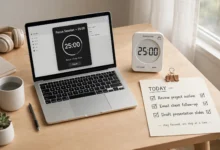

9 Proven Steps to Break Bad Habits for Good
These steps build on each other, so it helps to go through them in order. You don’t need to be perfect at any of them. You just need to start.
1. Pick One Habit to Change
Trying to fix five things at once is one of the fastest ways to fix none of them. Each change asks something of your attention and energy, and those resources are limited.
Choose the single habit that is costing you the most right now. Maybe it is the one hurting your health, your sleep, or your relationships. Once that change feels steady, you can move to the next one. Progress on one habit often makes the next one easier, because you start to trust that change is possible.
2. Identify Your Triggers
You cannot break bad habits if you don’t know what sets them off. For one week, keep a simple log every time the habit happens. Write down:
- Where you were
- What time it was
- How you felt just before
- Who you were with
- What you had just done
Patterns show up quickly. You might notice you only snack when you are working at your desk after 3 p.m., or that you scroll your phone mostly when you feel anxious about a task. Those triggers and cues are your real targets, not the behavior itself.
3. Understand the Reward You’re Really Chasing
Every bad habit gives you something, or you wouldn’t keep doing it. The trick is figuring out what that something actually is.
If you eat cookies in the afternoon, are you hungry? Bored? Tired? Craving a break from your screen? Try experimenting. The next time the urge hits, go for a short walk, eat an apple, or chat with a coworker instead. Then notice whether the craving fades. If a walk works just as well as a cookie, you have learned that the real reward was a break, not sugar. That knowledge makes the next step much easier.
4. Replace, Don’t Just Remove
This is the step most people skip, and it is one of the most important. When you simply stop a behavior, you leave a hole in your routine. The cue still fires, the craving still arrives, and with nothing else to do, you slide back into the old pattern.
A better approach is to replace bad habits with a new routine that delivers a similar reward. Some examples:
- Instead of smoking on breaks, chew gum and step outside for fresh air.
- Instead of scrolling in bed, keep a paperback on your nightstand.
- Instead of snacking out of boredom, keep a glass of water or herbal tea nearby.
- Instead of biting your nails when stressed, squeeze a stress ball or fidget toy.
Keep the cue and the reward. Swap only the routine in the middle. This is the core of lasting behavior change.
5. Redesign Your Environment
Your surroundings shape your choices far more than most people realize. The easiest way to break bad habits is to make them harder to do and make good habits easier.
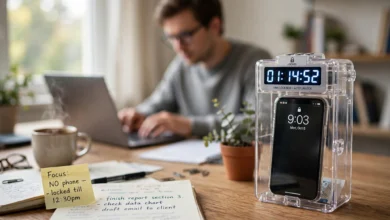
- Add friction to bad habits. Log out of social apps, move the TV remote to another room, or stop buying the snacks you overeat.
- Remove friction from good habits. Put your workout clothes out the night before, keep fruit on the counter, or leave your journal open on your desk.
- Change your setting. If you always drink too much at one particular bar, meet friends somewhere else.
Even a few extra seconds of effort can be enough to interrupt an automatic response and give your thinking brain a chance to step in.
6. Use Habit Stacking and Implementation Intentions
Vague goals like “I’ll stop procrastinating” rarely work. Specific plans do. Two simple tools help here.
Habit stacking means tying a new behavior to something you already do every day. For example: “After I pour my morning coffee, I will write my top three tasks for the day.” The existing habit becomes the cue for the new one.
Implementation intentions are “if-then” plans for tricky moments. For example: “If I feel the urge to check my phone while working, then I will take three deep breaths and go back to the task.” Deciding in advance means you don’t have to make a fresh decision when you are already tempted.
7. Practice Mindfulness Around Cravings
Cravings feel urgent, but they usually rise, peak, and fade within a few minutes. Mindfulness helps you ride that wave instead of obeying it.
When an urge shows up, pause and get curious. Where do you feel it in your body? What thought is running through your head? Name it to yourself: “This is a craving. It will pass.” Some people call this “urge surfing.” It sounds simple, but noticing a craving without acting on it weakens the link between cue and routine a little more each time.
8. Get Support and Accountability
Changing alone is hard. Telling someone about your goal adds a gentle layer of accountability and gives you a person to lean on when things get rough.
- Ask a friend or partner to check in with you once a week.
- Join a group of people working on the same habit, online or in person.
- Spend more time around people who already live the way you want to.
For habits tied to addiction, such as heavy drinking, smoking, or gambling, professional help can make a real difference. A doctor, counselor, or support program can offer tools and treatment that willpower alone can’t.
9. Track Progress and Reward Yourself
What gets measured tends to improve. A simple habit tracker, a calendar where you mark each successful day, or a note on your phone can keep you motivated. Watching a streak grow is its own small reward.
Also, celebrate wins along the way. Reaching one week without the old habit deserves recognition. Treat yourself to something that supports your goal, like a new book, a nice meal, or an evening off. Positive reinforcement helps your brain link the new routine with good feelings, which is exactly what you want.
How Long Does It Take to Break Bad Habits?
You have probably heard that it takes 21 days to change a habit. That number is popular, but it doesn’t hold up well. In a well-known study published in the European Journal of Social Psychology by Lally and colleagues, it took participants an average of about 66 days for a new behavior to become automatic. The range was huge, from 18 days to more than 250, depending on the person and the habit.
The same study found something reassuring: missing a single day did not meaningfully hurt long-term progress. So if you slip once, you have not ruined anything. What matters is getting back on track quickly.
The takeaway is to think in months, not weeks. Expect the first few weeks to feel effortful. It gets easier as the new routine settles in.
Common Mistakes That Keep You Stuck
Even with a good plan, a few common errors can stall your progress. Watch out for these:
- Relying only on willpower. As covered above, willpower is a backup, not a strategy. Change your environment instead.
- Setting goals that are too big. “Never eat sugar again” is hard to sustain. “No sweets after dinner on weekdays” is a goal you can actually hit.
- Ignoring the reward. If the replacement routine doesn’t meet the same need, the old habit will win.
- Being too hard on yourself. Shame often triggers the very behavior you are trying to stop. Self-compassion works better than self-criticism.
- Quitting after one slip. The “what the heck” effect, where one mistake turns into a full day or week of giving up, derails more people than the original slip ever could.
How to Handle Relapse Without Giving Up
Slip-ups are part of the process, not proof that you failed. Almost everyone who manages to break bad habits for good has a few setbacks along the way. The difference is how they respond.
When you slip, try this:
- Pause without judgment. Acknowledge what happened in plain terms. “I smoked a cigarette after lunch.” No drama.
- Look for the trigger. What was different about that moment? Were you stressed, tired, around certain people?
- Adjust your plan. Add a new if-then plan or remove a temptation you missed the first time.
- Restart right away. Don’t wait for Monday or the first of the month. Your next choice is a fresh start.
Think of relapse prevention as learning, not punishment. Every slip gives you information about your habit that you can use to make your plan stronger.
Frequently Asked Questions About Breaking Bad Habits
What is the fastest way to break bad habits?
There is no instant fix, but the quickest progress usually comes from changing your environment. Removing the cue or adding friction (like deleting an app or not keeping junk food at home) works faster than trying to resist temptation every day.
Can you break a bad habit without replacing it?
Sometimes, yes, especially if you remove the trigger entirely. In most cases, though, it is easier to replace bad habits with a healthier routine, because the craving still needs somewhere to go.
Why do I keep going back to the same habit?
Usually because the cue and reward are still in place. If your environment, stress level, or daily routine hasn’t changed, the old loop will keep firing. Go back to your trigger log and look for what you missed.
Is it harder to break bad habits as you get older?
Long-held habits can feel more automatic, but the brain stays capable of change throughout life. Older adults break habits all the time. It may simply take a bit more patience and repetition.
When should I get professional help?
If a habit is harming your health, finances, work, or relationships, or if you have tried several times without success, it is worth talking to a doctor or mental health professional. This is especially true for substance use, compulsive behaviors, and habits linked to anxiety or depression.
Conclusion
Learning how to break bad habits for good has less to do with willpower and more to do with understanding how habits work. Every habit runs on a loop of cue, routine, and reward, and once you see that loop clearly, you can change it. Start with one habit, track your triggers, figure out the reward you are really after, and swap in a healthier routine that meets the same need.
Make bad habits harder and good habits easier through your environment, use habit stacking and if-then plans to stay specific, and lean on mindfulness and supportive people when cravings hit. Expect the process to take a couple of months rather than a few weeks, treat slip-ups as lessons instead of failures, and keep going. Small, steady changes add up, and with the right system in place, you can break bad habits and build a life that runs more on your choices than on autopilot.