Best Minimalist Living Tips for Beginners
Minimalist living tips for beginners: 15 simple, practical habits to declutter your home, cut spending, and build a calmer, more intentional daily life.
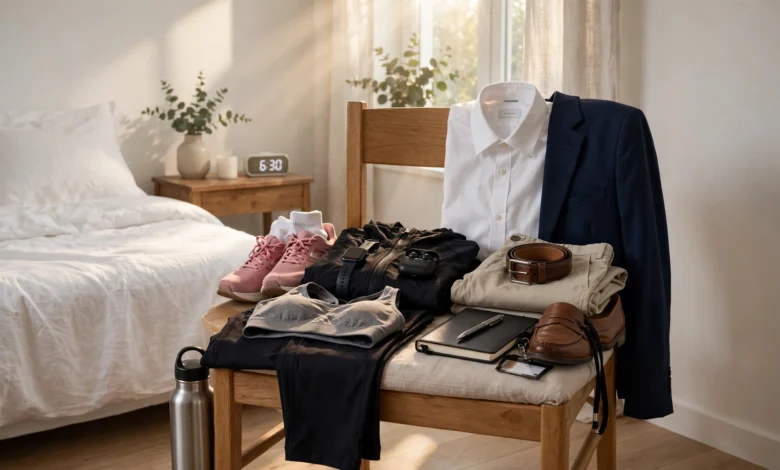
Minimalist living tips sound simple on paper: own less, stress less, live more. Then you open a closet and find five phone chargers, three water bottles you never use, and a sweater that still has the price tag on it. That gap between the idea and the reality is where most beginners get stuck.
Here’s the good news. You don’t need to sell your house, live out of a backpack, or own exactly 100 things to benefit from a minimalist lifestyle. Minimalism is less about counting objects and more about deciding what deserves space in your home, your calendar, and your head. When you clear out what doesn’t matter, the things that do matter finally get some room.
This guide is written for people starting from zero. It covers what minimalism for beginners actually looks like day to day, why it tends to make people calmer and more focused, and 15 practical habits you can start this week. You’ll also find the mistakes that trip most people up and a simple 30-day plan to keep you moving without burning out.
None of these minimalist living tips require a big budget or a dramatic life change. They work best when you start small, stay consistent, and shape them around your own life. If you’ve been feeling buried under stuff, commitments, or screens, this is a good place to begin simple living, one decision at a time.
What Minimalist Living Really Means
At its core, minimalism means keeping what adds real value to your life and letting go of the rest. That applies to physical things, but also to habits, obligations, and the constant noise of notifications. Think of it as intentional living: you choose what stays instead of letting things pile up by default.
Two people can both be minimalists and live very differently. A family of five in a suburban house will own far more than a single person in a studio apartment, and that’s fine. The question is never “how little can I own?” It’s “does this thing earn its place here?”
What Minimalism Is Not
A lot of beginners quit early because they picture minimalism as something it isn’t. Clearing up these myths makes the whole idea feel more doable:
- It isn’t about deprivation. You can still enjoy nice things. You just own fewer of them and pick them on purpose.
- It isn’t a white-walls aesthetic. Your home doesn’t need to look like a furniture catalog. Color, books, and art are welcome if you love them.
- It isn’t a one-time purge. A big clear-out helps, but living with less is a set of ongoing habits, not a weekend project.
- It isn’t a competition. Nobody wins by owning the fewest spoons. Your version only has to work for you.
Once you see minimalism as a filter rather than a rulebook, the minimalist living tips below become much easier to apply.
Why a Minimalist Lifestyle Is Worth It
Before getting into the how, it helps to know the why. The benefits of a minimalist lifestyle show up in your mood, your wallet, and your time, and some of them have research behind them.
Less Stress at Home
Clutter isn’t just a visual problem. In a study of dual-income couples, psychologists Darby Saxbe and Rena Repetti found that women who described their homes with stressful words like “messy” or “unfinished” had flatter daily cortisol patterns, a stress profile linked to poorer health. You can read the details in their paper, No Place Like Home: Home Tours Correlate With Daily Patterns of Mood and Cortisol. The sample was small, but it matches what many people feel: a crowded home is hard to relax in.

Better Focus
Your brain has limited capacity to process what’s in front of you. Research from the Princeton Neuroscience Institute showed that multiple objects in your field of view compete for neural attention in the visual cortex. The study, Interactions of Top-Down and Bottom-Up Mechanisms in Human Visual Cortex, helps explain why a clear desk often makes work feel easier.
More Money and Time
When you buy less, you spend less. That part is obvious. The less obvious part is time: fewer things mean less cleaning, less organizing, less searching for lost keys, and fewer decisions every morning.
A Lighter Footprint
Sustainable living and minimalism go hand in hand. Buying fewer, better things reduces waste and keeps more items out of landfills. You don’t have to be an eco-activist to appreciate that.
15 Minimalist Living Tips for Beginners
These minimalist living tips are ordered roughly from easiest to most involved. You don’t have to do them all at once. Pick two or three that feel manageable and build from there.
1. Start With Your “Why”
Before you touch a single drawer, write down why you want this. Maybe you’re tired of cleaning, saving for a goal, or moving soon. A clear reason keeps you going when sorting old photos gets emotional. Keep it short, one or two sentences, and stick it somewhere you’ll see it.
2. Begin With One Small Space
The fastest way to quit is to try to declutter your home in a single weekend. Start with one drawer, one shelf, or your bathroom cabinet. Small wins build momentum, and you’ll learn how you make decisions before you face harder rooms like the garage.
3. Use the Four-Box Method
Grab four boxes or bags and label them:
- Keep: things you use or truly love
- Donate or sell: useful items you don’t need
- Recycle or trash: broken, expired, or worn out
- Maybe: items you can’t decide on yet
Seal the “maybe” box and write a date on it, about 60 days out. If you haven’t opened it by then, donate it without looking inside. This is one of the most reliable decluttering tips for people who freeze up on decisions.
4. Ask Better Questions Before Keeping Something
When you’re unsure, run each item through a few quick questions:
- Have I used this in the last 12 months?
- Would I buy it again today at full price?
- Am I keeping it out of guilt or “just in case”?
- Could I replace it cheaply in under 20 minutes if I ever needed it?
If the honest answers point to “no,” let it go.
5. Save Sentimental Items for Last
Letters, gifts, and childhood keepsakes are the hardest category. Leave them until you’ve built your decision-making muscles on easier stuff. When you get there, keep the best few pieces and photograph the rest. A photo keeps the memory without taking up a shelf.
6. Build a Capsule Wardrobe
Most people wear about 20% of their clothes 80% of the time. A capsule wardrobe leans into that by keeping a smaller set of pieces that mix and match easily. Start by pulling out what you actually wore last month. Those clothes are your real wardrobe. The rest can be reviewed, stored for the season, or donated.
7. Follow the One-In, One-Out Rule
Decluttering only lasts if new stuff stops flowing in at the same rate. The one-in, one-out rule is simple: every time something new comes home, something similar leaves. New mug? An old one goes to the donation bag. It keeps your home steady without constant purges.
8. Practice Mindful Spending
Mindful spending means pausing before you buy. Try a 30-day rule for anything non-essential: add it to a list and wait. If you still want it after a month, and you have a spot for it, go ahead. You’ll be surprised how many “must-haves” fade from your mind within a week.
9. Clear Your Flat Surfaces
Kitchen counters, dining tables, and nightstands collect clutter faster than anything else. Keep them mostly empty, with only items you use daily. A clear counter makes the whole room feel calmer and makes cleaning take seconds instead of minutes.
10. Give Everything a Home
Clutter often isn’t too much stuff. It’s stuff with nowhere to go. Assign every item a specific spot, and put it back when you’re done. Keys go on the hook, mail goes in one tray, chargers live in one drawer. When everything has a home, tidying becomes automatic.
11. Declutter Your Digital Life
Digital minimalism matters as much as a tidy closet. Start with these steps:
- Delete apps you haven’t opened in a month.
- Turn off non-essential notifications.
- Unsubscribe from marketing emails as they arrive.
- Clear your desktop and sort files into a few simple folders.
- Set a daily screen-time limit for social media.
A quieter phone means fewer interruptions and more attention for the people in front of you.
12. Simplify Your Schedule
Minimalism applies to time too. Look at your weekly commitments and ask which ones you’d actually miss. Saying no to a few low-value activities frees up evenings for rest, hobbies, or family. An overbooked calendar can feel just as heavy as an overstuffed closet.
13. Cut Unused Subscriptions
Streaming services, apps, gym memberships, and boxes that arrive monthly add up quietly. Go through your bank statements and list every recurring charge. Cancel anything you haven’t used in the past month. This is one of the quickest wins in minimalism for beginners because it pays off immediately.
14. Choose Quality Over Quantity
When you do buy something, buy fewer and better. One solid pair of shoes that lasts five years beats three cheap pairs that fall apart in a season. Quality items often cost more upfront but less over time, and they’re nicer to use every day.
15. Make a Daily 10-Minute Reset a Habit
The final step in how to become a minimalist is keeping it going. Set a timer for 10 minutes each evening and put things back where they belong. Wipe the counters, clear the table, and drop anything you no longer need in a donation bag by the door. This small habit stops clutter from creeping back.
Common Mistakes When Following Minimalist Living Tips
Even with good intentions, beginners tend to hit the same few walls. Knowing them ahead of time saves you a lot of frustration.
- Buying organizers before decluttering. Fancy bins and baskets feel productive, but they often just hide clutter. Declutter first, then see if you need storage at all.
- Going too fast. Clearing out half your home in two days can lead to regret and burnout. Steady progress beats a dramatic purge.
- Decluttering other people’s things. Your partner’s hobby gear or your kids’ toys are their call. Lead by example and let them join when they’re ready.
- Replacing old stuff with “minimalist” stuff. Swapping your whole kitchen for matching neutral containers is still shopping. Use what you already have.
- Treating it as all or nothing. Missing a week of your evening reset doesn’t mean you failed. Just pick it back up.
- Comparing yourself to influencers. Photos of empty white rooms are styled for a camera. Real homes have mail, laundry, and life in them.
Avoiding these traps keeps a minimalist lifestyle feeling like relief rather than another set of rules to stress about.
A Simple 30-Day Plan to Put These Minimalist Living Tips Into Action
If you like structure, this plan spreads the work over four weeks so it never feels overwhelming. Spend 15 to 30 minutes a day and adjust the order to suit your home.
| Week | Focus | What to do |
|---|---|---|
| Week 1 | Easy wins | Write your “why,” clear one drawer a day, cancel unused subscriptions |
| Week 2 | Clothes and bathroom | Sort your wardrobe with the four-box method, toss expired products |
| Week 3 | Kitchen and living areas | Clear counters, give every item a home, donate duplicates |
| Week 4 | Digital life and habits | Clean up your phone and inbox, review your schedule, start the 10-minute evening reset |
At the end of the month, walk through your home and notice what feels different. Then decide which room or habit you want to tackle next. Simple living isn’t a finish line. It’s a way of making choices that keeps getting easier with practice.
Conclusion
Minimalism isn’t about owning nothing. It’s about owning what matters and letting go of the rest, so your home, schedule, and mind have room to breathe. The minimalist living tips in this guide give you a practical starting point: know your why, start with one small space, use the four-box method, build a capsule wardrobe, follow the one-in, one-out rule, spend mindfully, clean up your digital life, and protect your time.
Avoid the common traps like buying organizers first or rushing the process, and lean on the 30-day plan if you want structure. Start small, be patient with yourself, and let each decision make the next one easier, because a calmer, simpler life is built one choice at a time.