Best Smart TVs Under $600 Right Now
This guide walks through the smart TVs under $600 worth buying right now, based on current pricing, panel technology, and how each model actually performs.
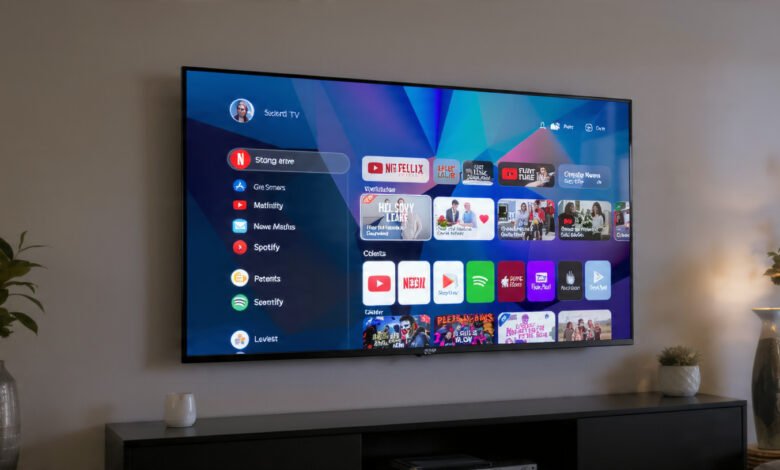
Best smart TVs under $600 used to mean settling for a dim screen and a laggy remote. That’s not really true anymore. Mini-LED backlighting, once locked behind $1,000+ price tags, has trickled down into the budget tier, and brands like TCL, Hisense, and Samsung are fighting hard for your money in this exact price range.
That competition is good news for anyone who wants a big, bright, sharp television without draining a paycheck.We’ll cover a mix of screen sizes and brands, because “best” depends a lot on whether you’re mounting a 55-inch set in an apartment or filling a wall with a 65-inch screen for game nights.
You’ll also get a plain-English buying guide at the end covering panel types, refresh rates, and which smart TV platform (Google TV, Fire TV, Roku, Tizen, or webOS) actually fits how you watch. Prices on TVs move constantly, sales pop up almost weekly, so treat the numbers here as a snapshot rather than gospel. But the models themselves are solid, tested choices that consistently land in or near the $600 range.
How We Picked These TVs
Before getting into the list, here’s what actually mattered in choosing these best smart TVs under $600:
- Real-world pricing, not just the sticker price before a sale
- Panel technology (Mini-LED vs. standard LED vs. QLED) and how it affects contrast and brightness
- Refresh rate and gaming features, since a lot of budget shoppers are also gamers
- Smart TV platform quality and app support
- Independent testing data, primarily from outlets like RTINGS, which run consistent lab measurements across brands
We skipped models that are technically under $600 but only in tiny 32-inch sizes, since most people shopping this budget want at least a 50-inch screen for movie nights or sports.
Quick Comparison Table
| TV Model | Size | Panel Type | Refresh Rate | Platform | Typical Price |
|---|---|---|---|---|---|
| TCL QM6K | 55″ | QD-Mini LED | 144Hz | Google TV | ~$550 |
| Hisense U6 Series (U65QF) | 55″ | Mini-LED | 144Hz | Fire TV | ~$480–500 |
| LG QNED 75B Series | 65″ | Mini-LED | 60Hz | webOS | ~$500 |
| Samsung M70H Vision AI | 55″ | Mini-LED | 120Hz | Tizen | ~$450 |
| Samsung Crystal UHD U8000H | 55″ | LED/QLED | 60Hz | Tizen | ~$350 |
| Sony X77L | 43″–55″ | LED | 60Hz | Google TV | ~$500–600 |
| Hisense U6 Pro Series | 55″ | Mini-LED | 144Hz | Fire TV | ~$550 |
Prices shift with sales cycles, so check current listings before buying. Now let’s break down why each of these made the cut.
The Best Smart TVs Under $600 Right Now
1. TCL QM6K (55-inch) — Best Overall
The TCL QM6K is the clearest example of how far budget TVs have come. It uses QD-Mini LED technology, which pairs quantum dot color with a mini-LED backlight, giving you deeper blacks and better contrast than a standard LED panel at a similar price. At 55 inches, it typically runs around $550, though TCL and retailers frequently discount it further during holiday sales.
What makes this one stand out among smart TVs under $600:
- 144Hz native refresh rate, rare at this price point
- Up to 500 local dimming zones depending on size
- Dolby Vision, HDR10+, and HLG support
- Built-in Onkyo 2.1-channel speaker system with a subwoofer
- Runs Google TV, which means easy access to Chromecast and a huge app library
The tradeoff is that TCL’s smart platform occasionally shows more ads on the home screen than some people like, and the sound, while better than most TVs this size, still won’t replace a soundbar for movie night. Still, for picture quality per dollar, this is hard to beat right now.
Best for: Anyone who wants the closest thing to a premium TV experience without crossing into four-figure territory.


2. Hisense U6 Series / U65QF (55-inch) — Best Value Mini-LED
Hisense has quietly become one of the strongest players in the budget TV space, and the Hisense U6 Series is proof. This 55-inch Mini-LED set regularly sells in the $480–500 range, and during sales events it’s dropped as low as $477, which is a genuinely great price for Mini-LED backlighting.
Key features:
- 144Hz native refresh rate with Dolby Vision IQ and HDR10+
- Dolby Atmos audio support
- Runs on Amazon’s Fire TV platform
- Frequently praised in reviews as one of the best Fire TV experiences available
One reviewer who spent time with the platform called it one of the better Fire TV implementations they’d used, saying it made them reconsider budget Amazon TVs entirely. If you’re already deep into the Amazon ecosystem (Echo devices, Prime Video, Alexa routines), this TV slots in seamlessly.
Best for: Buyers who want Mini-LED performance and don’t mind Amazon’s Fire TV interface.
3. LG 65-inch QNED 75B Series — Best Large Screen Under $600
If bigger is genuinely better for your living room, the LG QNED 75B Series at 65 inches is one of the few Mini-LED-adjacent options you’ll find under $500 at that size. LG’s QNED lineup combines quantum dot color with LG’s NanoCell filtering technology.
What you get:
- 65-inch screen for around $500
- webOS smart platform, which is consistently rated among the more polished smart TV interfaces
- Solid color accuracy for the price tier
- AI-based picture and sound processing
It’s not going to match the contrast of true Mini-LED sets like the TCL QM6K, and the refresh rate tops out lower than some competitors, so serious gamers might want to look elsewhere. But if your priority is screen real estate for the price, this is one of the better ways to get a 65-inch LG TV without spending $800 or more.
Best for: Living rooms where screen size matters more than gaming specs.
4. Samsung M70H Vision AI (55-inch) — Best Samsung Pick Under $600
Samsung’s mid-tier Mini LED lineup has gotten genuinely competitive, and the Samsung M70H is a solid entry point into that technology, typically priced around $450 for the 55-inch model.
Highlights:
- Mini LED backlighting with Samsung’s Vision AI processing
- 120Hz refresh rate
- Tizen smart platform with strong app support and a clean interface
- Samsung Gaming Hub for cloud gaming without a console
Samsung’s Tizen platform has matured a lot over the past couple of years, and it remains one of the snappier smart TV interfaces on the market. The main limitation compared to the TCL and Hisense options above is a slightly lower native refresh rate, but for general streaming and casual gaming, it’s plenty.
Best for: Samsung loyalists or anyone who wants SmartThings integration with other Samsung devices.
5. Samsung Crystal UHD U8000H (55-inch) — Best Budget Pick
Not everyone needs Mini-LED. If you just want a reliable, well-reviewed 4K smart TV and want to keep more of your $600 budget in your pocket, the Samsung Crystal UHD U8000H is worth a look. It typically runs around $350 for the 55-inch model.
What you’re getting:
- Standard LED backlighting (no local dimming zones)
- 4K resolution with HDR10+ support
- Tizen OS with access to Samsung’s free ad-supported channels
- PurColor technology for a wider, if not class-leading, color range
This isn’t a TV for a dedicated home theater. Contrast and brightness are noticeably behind the Mini-LED models on this list. But for a bedroom, guest room, or anyone upgrading from an old 1080p set, it delivers a clean 4K picture at a genuinely low price, and it leaves room in your budget for a soundbar.
Best for: Secondary rooms, tight budgets, or first-time smart TV buyers.
6. Sony X77L (43-inch to 55-inch) — Best for Picture Processing
Sony doesn’t usually play in the budget space, which makes the Sony X77L worth mentioning. Depending on size and current sales, it lands right around the $600 mark, sometimes a bit under with a discount.
What sets it apart:
- Sony’s 4K X-Reality Pro processor for strong upscaling of non-4K content
- Motionflow XR for smoother motion handling
- Google TV platform with Chromecast built in
- HDR10 and HLG support
Sony’s picture processing has long been considered a step above budget competitors, especially when it comes to making older or lower-resolution content look better. It’s not the brightest or most contrast-rich panel on this list, but if you watch a lot of cable, older DVDs, or lower-bitrate streams, the upscaling difference is noticeable.
Best for: Buyers who value picture processing and brand reliability over flashy specs.
7. Hisense U6 Pro Series (55-inch) — Best for Gaming on a Budget
The step-up Hisense U6 Pro builds on the standard U6 with improved brightness and refinement, usually priced close to $550 for the 55-inch model.
Notable specs:
- 144Hz native refresh rate with AMD FreeSync Premium Pro
- Mini-LED backlighting with improved dimming compared to the base U6
- Dolby Vision, Dolby Atmos, and HDR10+ support
- Fire TV smart platform
If you’re a console or PC gamer shopping for smart TVs under $600, this is one of the stronger picks for input lag and motion handling without stepping up to a $1,000+ TV.
Best for: Gamers who want low input lag and variable refresh rate support on a budget.
What to Look for When Buying a Smart TV Under $600
Picking the best smart TV under $600 isn’t just about grabbing whatever’s on sale. Here’s what actually affects your day-to-day experience.
Panel Type: Mini-LED vs. Standard LED vs. QLED
This is probably the single biggest factor in picture quality at this price range.
- Standard LED TVs use a basic backlight without zones of dimming. They’re the cheapest option, and picture quality is fine for casual viewing, but blacks look more gray than black.
- QLED adds a quantum dot film over the LED backlight, improving color range and brightness without necessarily improving contrast.
- Mini-LED uses hundreds of tiny LEDs organized into dimming zones, letting the TV brighten and darken different parts of the screen independently. This dramatically improves contrast, which is the single biggest factor in how “good” a picture looks to the human eye.
If your budget allows it, a Mini-LED model like the TCL QM6K or Hisense U6 Series will outperform a standard LED TV of the same price in almost every lighting condition.
Screen Size and Viewing Distance
A common mistake is buying a screen that’s too small for the room. As a rough guide:
- 43–50 inches: Bedrooms or smaller living rooms, viewing distance of 5–7 feet
- 55 inches: The sweet spot for most living rooms, viewing distance of 6–9 feet
- 65 inches: Larger rooms or dedicated media spaces, viewing distance of 8–12 feet
Since 65-inch Mini-LED options under $600 are rare, most buyers looking for that size will end up with a standard LED or QNED panel like the LG 75B Series.
Refresh Rate and Gaming Features
If you play games on a console like a PS5 or Xbox Series X, refresh rate matters. Look for:
- 120Hz or 144Hz native refresh rate
- VRR (Variable Refresh Rate) support, which reduces screen tearing
- Low input lag, ideally under 15 milliseconds in game mode
- At least one HDMI 2.1 port, which is needed for 4K at 120Hz
Several TVs on this list, including the TCL QM6K and both Hisense U6 models, hit 144Hz, which is genuinely impressive at this price.
Smart TV Platform
The operating system shapes your daily experience more than people expect. Here’s a quick breakdown:
- Google TV (TCL, Sony): Strong app support, built-in Chromecast, personalized recommendations
- Fire TV (Hisense, Insignia, Toshiba): Deep Amazon integration, Alexa voice control, occasionally more ad-heavy
- Tizen (Samsung): Fast, clean interface with strong free ad-supported channel options
- webOS (LG): Widely considered one of the more polished and responsive platforms
- Roku TV (various brands): Simple, minimal-ads interface, though sometimes fewer advanced picture settings
None of these are objectively “bad” anymore, they’ve all improved a lot. Pick based on what devices and services you already use.
HDR Support
Look for TVs that support Dolby Vision and HDR10+ rather than just base HDR10. Dolby Vision adjusts brightness scene by scene, and most streaming platforms including Netflix and Disney+ support it. Every TV on this list except the entry-level Samsung Crystal UHD supports at least one advanced HDR format.
Do You Actually Need to Spend Close to $600?
Not always. It’s worth being honest about who benefits from spending closer to the top of this range versus who can save money and step down.
Spend closer to $600 if:
- You watch a lot of movies or shows in a dark or dimly lit room, where contrast differences are most noticeable
- You game regularly and want a high refresh rate with VRR support
- The TV will be your main living room set, used for years
- You care about accurate color for things like sports broadcasts or photography editing
Save money and go with a $300–400 option if:
- The TV is going in a bedroom, kids’ room, or guest room
- You mostly watch daytime TV or casual streaming in a bright room, where Mini-LED contrast advantages matter less
- You’re upgrading from an old 1080p set and any 4K jump will feel like a big improvement
- You’d rather put extra budget toward a soundbar instead of backlight technology
There’s also a middle path worth mentioning: watching for sales. Nearly every TV on this list has dropped below its regular price at some point in the past few months, sometimes by $100 or more during major shopping events. If you’re not in a rush, tracking a specific model for a few weeks before a holiday sale can land you a Mini-LED set for what you’d otherwise pay for a standard LED panel.
Panel Size vs. Panel Quality: Which Matters More?
This is one of the more common dilemmas in the smart TVs under $600 category, since you often can’t max out both size and picture quality at once.
If you’re torn between a larger screen with a basic LED panel or a smaller screen with Mini-LED backlighting, consider your viewing distance first. At typical living room distances (7 to 10 feet), the jump from 55 to 65 inches is noticeable, but the jump from standard LED to Mini-LED contrast is often even more noticeable, especially in shows or movies with dark scenes, night skies, or shadow detail. A lot of home theater enthusiasts will tell you contrast is what makes a picture look “real,” more than raw size or even resolution.
That said, for sports, bright daytime content, or rooms with a lot of natural light, panel technology matters less, and a bigger, brighter standard LED screen might genuinely serve you better. There’s no universally correct answer here, it comes down to your room and your viewing habits.
Common Mistakes to Avoid When Buying a Budget Smart TV
- Ignoring local dimming zone count. More zones generally means better contrast control, even if the number isn’t always advertised clearly.
- Assuming bigger is always better. A 65-inch standard LED can actually look worse than a 55-inch Mini-LED in a bright room.
- Skipping the return window. Buy from a retailer with a reasonable return policy in case the TV doesn’t perform as expected in your specific lighting.
- Overlooking HDMI 2.1 if you’re a gamer. Not every “144Hz” TV supports that refresh rate over every HDMI port, check the specs closely.
- Forgetting about sound. Budget TVs almost universally have weak built-in speakers. Even an inexpensive soundbar makes a noticeable difference.
Frequently Asked Questions
Is it worth buying a Mini-LED TV under $600?
Yes, and it’s genuinely one of the best values in the TV market right now. A few years ago, Mini-LED was exclusively a premium feature. Now, models like the TCL QM6K and Hisense U6 Series bring that technology down to the $500–600 range, delivering noticeably better contrast than standard LED sets at similar prices.
What’s the best 65-inch smart TV under $600?
Options shrink at this size, since most Mini-LED sets push past $600 once you go bigger than 55 inches. The LG QNED 75B Series at 65 inches is one of the few solid choices that stays close to or under that budget while still offering decent color accuracy through LG’s webOS platform.
Do budget smart TVs support 4K streaming well?
Every TV on this list supports native 4K resolution and works fine with 4K streaming from Netflix, Disney+, Max, and similar services, as long as your internet connection can handle it. The differences between models show up more in contrast, color accuracy, and motion handling than in raw resolution.
Should I buy last year’s model to save money?
Often, yes. TV technology moves in small increments year to year, and last year’s flagship-adjacent models frequently drop into this price range once a newer version launches. Several of the TVs listed above are current-generation models available at prices that used to only apply to last year’s releases.
Are these TVs good for gaming?
The TCL QM6K, both Hisense U6 models, and the Samsung M70H all support high refresh rates and VRR, making them solid choices for console or PC gaming without spending on a premium set. If gaming is your top priority, prioritize refresh rate and HDMI 2.1 port count over other specs.
For deeper, lab-tested performance data on any of these models, independent review sites like RTINGS run detailed brightness, contrast, and input lag testing that goes beyond manufacturer marketing claims. It’s worth a look before finalizing a purchase, especially if you’re choosing between two similarly priced options.
Conclusion
The best smart TVs under $600 right now prove that you no longer need to choose between a good picture and a reasonable price. Whether you go with the Mini-LED contrast of the TCL QM6K, the gaming-friendly specs of the Hisense U6 Pro, the screen size of LG’s 65-inch QNED set, or the straightforward value of Samsung’s Crystal UHD line, there’s a genuinely good option in this budget for nearly every kind of viewer.
The smartest approach is to match the TV to how you actually watch, gaming, movie nights, casual streaming, or a secondary bedroom set, rather than chasing the biggest screen or the longest spec sheet. Prices shift often, so keep an eye on sales, but the models covered here are consistently strong performers worth considering today.