Keto Diet Explained: Complete Guide to Low-Carb Weight Loss
Learn how the keto diet works for weight loss. Complete guide to ketosis, macronutrients, meal planning, and health benefits. Start your low-carb journey today.
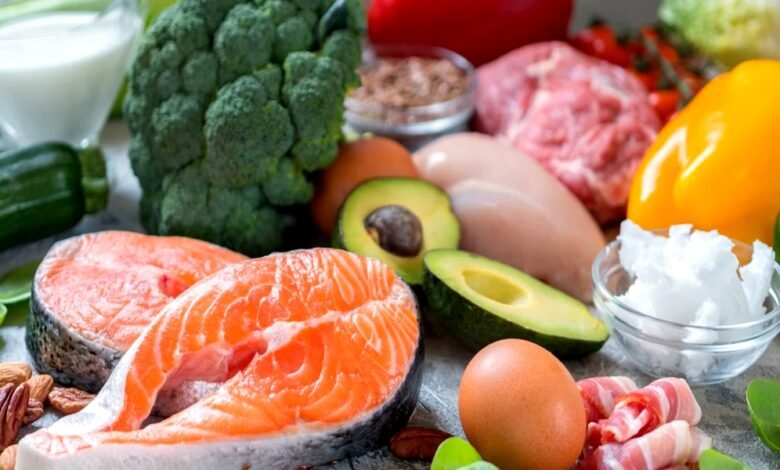
The keto diet has become one of the most talked-about weight loss strategies in recent years, but it’s far from a passing trend. Originally developed in the 1920s to treat epilepsy, the ketogenic diet has evolved into a powerful tool for weight management, blood sugar control, and metabolic health. Unlike traditional low-fat diets that leave you feeling hungry and deprived, the keto approach flips conventional nutrition wisdom on its head by making fat your primary fuel source.
At its core, the low-carb lifestyle forces your body into a metabolic state called ketosis, where it burns fat instead of glucose for energy. This shift can lead to rapid weight loss, reduced appetite, and steady energy levels throughout the day. But the benefits extend beyond just dropping pounds. Research shows that a well-formulated ketogenic diet can help manage type 2 diabetes, improve cholesterol markers, reduce inflammation, and even support brain health.
Whether you’re dealing with stubborn weight that won’t budge, looking to stabilize your blood sugar, or simply want to try a different approach to eating, this guide will walk you through everything you need to know. We’ll cover how ketosis actually works, what foods to eat and avoid, potential side effects, and practical tips for making this high-fat diet work in your daily life.
What is the Keto Diet?
The ketogenic diet is a low-carbohydrate, high-fat eating plan that drastically reduces your carb intake and replaces it with healthy fats. The standard approach typically consists of 70-75% fat, 20-25% protein, and only 5-10% carbohydrates. To put this in perspective, you’ll be limiting your net carbs to about 20-50 grams per day, roughly equivalent to a single cup of rice.
This dramatic shift in macronutrients triggers a metabolic state where your body becomes incredibly efficient at burning fat for energy. Instead of relying on glucose from carbs, your liver converts fat into molecules called ketone bodies, which serve as an alternative fuel source for your brain, muscles, and other tissues.
Types of Ketogenic Diets
Not all keto approaches are created equal. Here are the main variations:
Standard Ketogenic Diet (SKD): The most researched version, featuring very low carbs (5-10%), moderate protein (20%), and high fat (70-75%). This is the approach most people follow and what we’ll focus on in this guide.
Cyclical Ketogenic Diet (CKD): Involves periods of higher-carb “refeeds,” typically five ketogenic days followed by two high-carb days. Athletes sometimes use this variation.
Targeted Ketogenic Diet (TKD): Allows you to add carbs around intense workouts, giving your muscles quick energy when needed most.
High-Protein Ketogenic Diet: Similar to SKD but with more protein (35%) and slightly less fat (60%). The carb ratio stays at 5%.


How Ketosis Works: The Science Behind Fat Burning
Understanding ketosis is key to making the keto diet work for you. When you eat a typical high-carb diet, your body breaks down glucose from carbohydrates and stores excess energy as glycogen in your liver and muscles. This is your body’s default energy system.
But when you drastically reduce carb intake, usually to under 50 grams daily, something remarkable happens. Within 3-4 days, your glycogen stores become depleted. With no glucose readily available, your body must find another fuel source. This is when your liver starts breaking down fatty acids into ketone bodies (specifically beta-hydroxybutyrate, acetoacetate, and acetone).
Your cells, including brain cells, adapt to using these ketones for energy. This metabolic state is called ketosis, and it’s the reason why people experience such dramatic results with this low-carb diet. Your body essentially becomes a fat-burning machine, pulling energy from dietary fat and your stored body fat.
The shift also affects your hormone levels. Insulin levels drop significantly since you’re not consuming the carbs that spike blood sugar. Lower insulin means your body can more easily access stored fat for fuel. This is one reason why the ketogenic diet is particularly effective for people with insulin resistance or type 2 diabetes.
Weight Loss Benefits: Why Keto Works
Weight loss is the most common reason people try the keto diet, and the results can be impressive. Research shows that people following a ketogenic diet often lose more weight in the first 3-6 months compared to traditional low-fat diets, according to Harvard’s Nutrition Source.
Here’s why the low-carb approach is so effective:
Increased Fat Burning: When in ketosis, your body constantly burns fat for fuel. Studies show that ketogenic diets can lead to an average weight loss of 9-13 kg over several months.
Appetite Reduction: High-fat foods are incredibly satiating, and ketones themselves suppress appetite-regulating hormones. You’ll naturally eat less without feeling deprived or constantly hungry.
Water Weight Loss: Initially, much of the weight loss comes from depleted glycogen stores and reduced water retention. Each gram of glycogen holds 3-4 grams of water, so when you deplete glycogen, you drop water weight quickly.
Metabolic Advantage: Some research suggests that being in ketosis may increase the number of calories you burn at rest, though this effect is modest.
Better Body Composition: Unlike crash diets that cause muscle loss, a well-formulated ketogenic diet with adequate protein helps preserve lean muscle mass while burning fat.
Health Benefits Beyond Weight Loss
While weight loss draws most people to keto, the metabolic and health benefits extend far beyond the scale:
Blood Sugar Control and Diabetes Management
The keto diet can be transformative for people with type 2 diabetes or prediabetes. By eliminating most carbs, you remove the main dietary trigger for blood sugar spikes. Research published in medical journals shows that ketogenic diets can significantly reduce HbA1c levels and help people reduce or even eliminate diabetes medications.
Many people experience normalized blood sugar levels within weeks. However, if you’re on diabetes medication, work closely with your doctor, as your dosage may need adjustment to prevent dangerously low blood sugar.
Improved Cholesterol and Heart Health Markers
Contrary to what you might expect from a high-fat diet, most people see improvements in their cholesterol profile. Triglycerides typically drop significantly, while HDL (good) cholesterol increases. LDL cholesterol may rise in some people, but it often shifts to larger, less harmful particles.
These changes contribute to better metabolic health overall. Blood pressure often decreases as well, particularly in people who are overweight or have hypertension.
Reduced Inflammation
Chronic inflammation drives many modern diseases, from arthritis to heart disease. The ketogenic diet appears to have anti-inflammatory effects, possibly due to reduced blood sugar fluctuations and the direct anti-inflammatory properties of ketone bodies.
Mental Clarity and Brain Health
Many keto followers report improved focus, concentration, and mental clarity. The brain actually prefers ketones as fuel in many situations. This is why the diet was originally used to treat epilepsy and is now being studied for conditions like Alzheimer’s and Parkinson’s disease.
Other Potential Benefits
- Fatty liver disease improvement
- PCOS symptom reduction
- Acne improvement
- Sustained energy without crashes
- Better sleep quality
What to Eat on the Keto Diet
Creating a sustainable keto diet starts with knowing which foods support ketosis and which ones will kick you out of it. Here’s your comprehensive food list:
Healthy Fats and Oils (The Foundation)
- Avocados and avocado oil: Rich in heart-healthy monounsaturated fats
- Olive oil and extra virgin olive oil: Best for salads and low-heat cooking
- Coconut oil and MCT oil: Quickly converted to ketones
- Grass-fed butter and ghee: High in omega-3s and vitamins
- Nuts and seeds: Almonds, walnuts, macadamia nuts, chia seeds, flaxseeds
- Nut butters: Almond butter, peanut butter (no added sugar)
Quality Protein Sources
- Fatty fish: Salmon, sardines, mackerel, tuna (high in omega-3s)
- Grass-fed beef and lamb: Better nutrient profile than conventional meat
- Pork and bacon: Choose uncured, sugar-free varieties
- Poultry: Chicken, turkey, duck (especially dark meat)
- Eggs: The perfect keto food with healthy fats and protein
- Organ meats: Liver, heart (extremely nutrient-dense)
Low-Carb Vegetables
Focus on above-ground, low-carbohydrate vegetables:
- Leafy greens: Spinach, kale, lettuce, arugula
- Cruciferous vegetables: Broccoli, cauliflower, Brussels sprouts, cabbage
- Other keto-friendly veggies: Zucchini, bell peppers, asparagus, green beans, cucumbers, celery, tomatoes (in moderation)
Dairy Products (Full-Fat Only)
- Heavy cream
- Cheese (cheddar, mozzarella, cream cheese, goat cheese)
- Greek yogurt (unsweetened, full-fat)
- Sour cream
Beverages
- Water (aim for at least 8 glasses daily)
- Coffee and tea (unsweetened)
- Bone broth (great for electrolytes)
- Sugar-free drinks (in moderation)
Foods to Avoid on Keto
Success with the ketogenic diet requires eliminating or severely limiting these high-carb foods:
Grains and Starches: Bread, pasta, rice, cereal, oatmeal, quinoa, corn, tortillas
Sugars and Sweeteners: Table sugar, honey, maple syrup, agave, any desserts or candy
Most Fruits: Bananas, apples, oranges, grapes (berries in small amounts are okay)
Starchy Vegetables: Potatoes, sweet potatoes, carrots, parsnips, beets
Legumes: Beans, lentils, chickpeas, peas
Low-Fat Products: These typically add sugar to compensate for flavor
Processed Foods: Chips, crackers, packaged snacks with hidden carbs
Most Alcohol: Beer, sweet wines, cocktails with mixers (dry wine and spirits in moderation may be okay)
Unhealthy Fats: Vegetable oils, margarine, trans fats
Getting Started: Your Step-by-Step Plan
Starting the keto diet doesn’t have to be overwhelming. Follow these steps for a smooth transition:
Week 1: Preparation
- Clean out your pantry: Remove tempting high-carb foods to set yourself up for success
- Stock up on keto staples: Buy healthy fats, quality proteins, and low-carb vegetables
- Plan your first week’s meals: Having a meal plan prevents last-minute poor choices
- Calculate your macros: Use a keto calculator to determine your ideal macronutrient ratios based on your weight, height, age, and goals
Week 2-4: Adaptation Phase
Your body needs time to become “fat-adapted.” During this period:
- Track your net carbs diligently (total carbs minus fiber)
- Stay under 20-50 grams of carbs daily
- Don’t restrict calories excessively; eat until satisfied
- Increase your salt and water intake
- Be prepared for keto flu symptoms (more on this below)
Ongoing: Making It a Lifestyle
- Test your ketone levels if desired (blood, breath, or urine strips)
- Adjust your approach based on how you feel
- Consider intermittent fasting to deepen ketosis
- Find keto-friendly restaurants and meal options
- Join online communities for support and recipes
Understanding and Managing Keto Flu
The keto flu is a temporary set of symptoms that many people experience during the first week of transitioning to a ketogenic diet. It’s not actually influenza but rather your body’s response to the metabolic shift.
Common Symptoms
- Headaches
- Fatigue and low energy
- Dizziness
- Nausea
- Brain fog
- Irritability
- Muscle cramps
- Constipation or diarrhea
Why It Happens
When you cut carbs, your body dumps excess water along with important electrolytes like sodium, potassium, and magnesium. Additionally, your cells are learning to use fat for fuel instead of glucose, which takes adjustment.
How to Minimize Keto Flu
Increase Your Salt Intake: Add 1-2 teaspoons of salt to your meals or drink bone broth throughout the day. This is crucial and often overlooked.
Stay Hydrated: Drink plenty of water, but don’t overdo it (which can further dilute electrolytes). Aim for 8-10 glasses daily.
Supplement Electrolytes: Consider taking magnesium (300-400mg), potassium (through food or supplements), and sodium.
Ease Into It: Some people benefit from gradually reducing carbs over 1-2 weeks rather than going cold turkey.
Get Enough Fat: Don’t be afraid of fat. If you’re restricting both carbs and fat, you’ll feel terrible.
Rest and Sleep: Give your body time to adjust. Light exercise is fine, but don’t push too hard initially.
Most keto flu symptoms resolve within 3-7 days once your body adapts to using ketone bodies for fuel.
Sample 7-Day Keto Meal Plan
Here’s a week of simple, delicious keto diet meals to get you started:
Day 1
- Breakfast: Scrambled eggs with cheese and avocado
- Lunch: Caesar salad with grilled chicken (no croutons)
- Dinner: Baked salmon with roasted broccoli and butter
Day 2
- Breakfast: Full-fat Greek yogurt with almonds and chia seeds
- Lunch: Tuna salad wrapped in lettuce leaves
- Dinner: Beef stir-fry with bell peppers and cauliflower rice
Day 3
- Breakfast: Keto coffee (coffee blended with butter and MCT oil) with a handful of macadamia nuts
- Lunch: Chicken and vegetable soup with bone broth
- Dinner: Grilled steak with sautéed spinach and mushrooms
Day 4
- Breakfast: Bacon and eggs with sautéed kale
- Lunch: Cobb salad with blue cheese dressing
- Dinner: Pork chops with roasted Brussels sprouts
Day 5
- Breakfast: Cheese and vegetable omelet
- Lunch: Leftover pork chops with a side salad
- Dinner: Baked chicken thighs with asparagus and hollandaise sauce
Day 6
- Breakfast: Smoked salmon with cream cheese on cucumber slices
- Lunch: Egg salad with avocado
- Dinner: Lamb chops with cauliflower mash and green beans
Day 7
- Breakfast: Keto pancakes made with almond flour and topped with butter
- Lunch: Grilled shrimp over zucchini noodles with pesto
- Dinner: Beef and broccoli with coconut oil
Tips for Long-Term Success
Making the keto diet sustainable requires more than just following the rules. Here are strategies for lasting results:
Meal Prep: Cook large batches on weekends so you always have low-carb options ready. This prevents the temptation to order high-carb takeout.
Read Labels Carefully: Hidden carbs lurk in unexpected places like sauces, condiments, and processed meats. Always check net carbs on nutrition labels.
Find Keto Substitutes: Cauliflower rice, zucchini noodles, almond flour, and coconut flour can replace high-carb staples in your favorite recipes.
Stay Social: Don’t isolate yourself. Most restaurants offer keto-friendly options. Ask for substitutions like extra vegetables instead of rice or potatoes.
Track Your Progress: Use apps to monitor your macronutrients, take progress photos, and measure your body composition, not just weight.
Listen to Your Body: Some people thrive on very low carbs (under 20g), while others do better with 30-50g. Find your sweet spot.
Consider Cyclical Approaches: Some people benefit from occasional higher-carb days, especially if training intensely or feeling depleted after months of strict keto.
Don’t Fear Veggies: While keto is low-carbohydrate, you should still eat plenty of low-carb vegetables for fiber, vitamins, and minerals.
Potential Risks and Considerations
While the ketogenic diet offers many benefits, it’s not right for everyone. Be aware of these potential concerns:
Who Should Avoid Keto or Proceed with Caution
- Pregnant or breastfeeding women
- People with kidney disease
- Those with a history of eating disorders
- Anyone taking medications for diabetes or blood pressure (requires medical supervision)
- People with certain metabolic conditions
Possible Side Effects Beyond Keto Flu
Nutrient Deficiencies: Restricting food groups can lead to deficiencies in fiber, certain vitamins, and minerals. Consider supplementation and eat diverse low-carb vegetables.
Digestive Issues: The lack of fiber from grains and many fruits can cause constipation. Increase your intake of fiber-rich, low-carb vegetables.
Bad Breath: Acetone, one of the ketone bodies, can cause a fruity or metallic breath odor. This usually improves with time.
Reduced Athletic Performance: Some athletes experience decreased performance initially, though many adapt and even improve over time.
Long-Term Concerns: Research on the very long-term effects (beyond 2 years) is limited. Some studies suggest that extremely low carb intake may be associated with increased mortality risk, according to research from the National Institutes of Health.
Always consult with a healthcare provider before starting the keto diet, especially if you have existing health conditions. They can monitor your progress and adjust medications as needed.
Supplements That May Help
While a well-planned ketogenic diet can provide most nutrients, certain supplements might enhance your results:
Electrolytes: Sodium, potassium, and magnesium supplementation helps prevent keto flu and muscle cramps.
MCT Oil: Medium-chain triglycerides are rapidly converted to ketone bodies, potentially deepening ketosis and providing quick energy.
Omega-3 Fatty Acids: Fish oil supplements support heart health and reduce inflammation, especially if you don’t eat fatty fish regularly.
Vitamin D: Many people are deficient, and there are limited keto food sources of this crucial vitamin.
Fiber Supplements: Psyllium husk or other fiber supplements can help with digestive regularity if you’re struggling with constipation.
Exogenous Ketones: These supplements raise ketone levels without dietary changes, though they’re expensive and not necessary for most people.
Digestive Enzymes: Can help if you’re experiencing digestive discomfort from increased fat intake.
Common Mistakes to Avoid
Even experienced keto dieters make these errors. Watch out for:
Not Eating Enough Fat: If you cut both carbs and fat, you won’t have enough energy and will feel miserable. Fat is your primary fuel source on keto.
Eating Too Much Protein: Excess protein can be converted to glucose through gluconeogenesis, potentially interfering with ketosis. Stick to moderate amounts.
Forgetting About Vegetables: Some people eat only meat and cheese, missing out on vital nutrients and fiber from low-carb vegetables.
Not Drinking Enough Water: Dehydration is common on keto. Aim for at least 8 glasses daily, more if you’re active.
Ignoring Electrolytes: This is the number one cause of keto flu and other side effects. Don’t skimp on salt, potassium, and magnesium.
Giving Up Too Soon: The adaptation period can be rough. Many people quit during week one, just before they would have felt amazing.
Comparing Yourself to Others: Everyone’s weight loss journey is different. Focus on your own progress and how you feel.
Conclusion
The keto diet represents a powerful approach to weight loss and improved metabolic health through strategic carb restriction and fat burning. By limiting your carbohydrate intake to 20-50 grams daily and increasing healthy fats, you trigger ketosis, a metabolic state where your body efficiently burns fat for fuel. The benefits extend beyond the scale, with research supporting improvements in blood sugar control, cholesterol markers, inflammation, and mental clarity. While the transition period can be challenging with temporary keto flu symptoms, proper planning with adequate electrolytes, hydration, and a well-formulated meal plan sets you up for success. Remember that the ketogenic diet isn’t a one-size-fits-all solution, and consulting with healthcare providers ensures it’s appropriate for your individual health needs. With the right approach, quality low-carb foods, and realistic expectations, many people find that keto becomes not just a diet but a sustainable lifestyle that helps them achieve their health and weight loss goals while enjoying satisfying, nutrient-dense meals.