Minimalist Lifestyle Guide Decluttering Your Home and Life
Master the art of minimalism with our comprehensive guide to decluttering your home and life. Learn proven strategies to reduce clutter and boost.

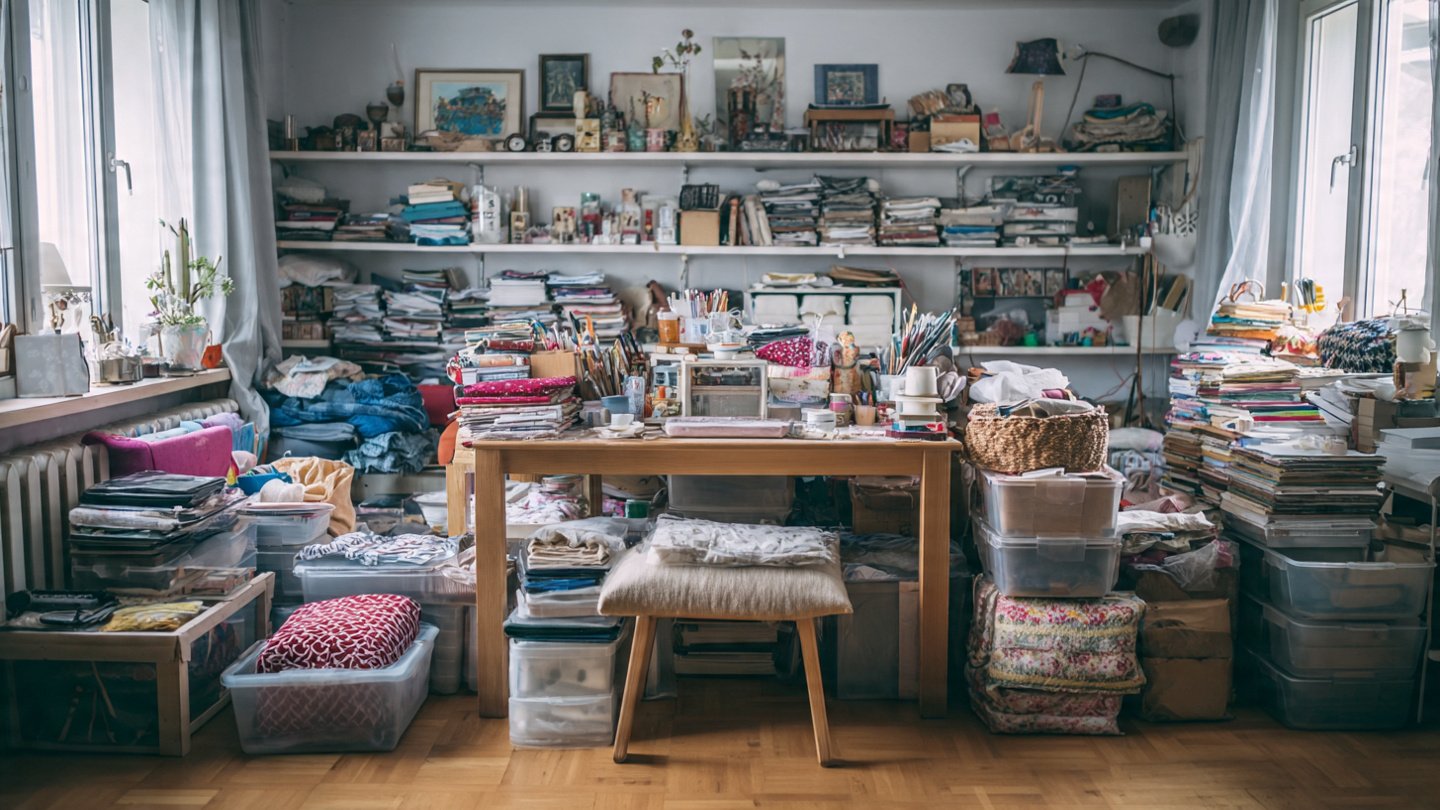
The average American home contains over 300,000 items, and with each passing year, this number continues to grow. Whether it’s outdated clothing, unused kitchen gadgets, or forgotten sentimental keepsakes, clutter accumulates in ways we often don’t realize until it becomes overwhelming. The minimalist lifestyle offers a refreshing alternative to this consumerist culture, focusing on intentional living rather than material accumulation. More than just tidying up, minimalism represents a fundamental shift in how we view our possessions and their role in our happiness.
Unlike surface-level decluttering, which merely removes visible clutter, minimalist living encourages us to examine our relationship with material possessions entirely. This comprehensive guide explores how decluttering your home can transform not only your physical space but also your mental well-being and financial health. By embracing simple Lifestyle living and adopting strategic decluttering tips, you’ll discover that living with less actually gives you more—more time, more money, and more freedom to focus on what truly matters.
Throughout this article, we’ll explore evidence-based strategies for implementing minimalism, the psychological benefits of reducing clutter, and maintaining your newly organized space. Whether you’re just beginning your decluttering journey or looking to deepen your minimalist approach, this guide provides actionable steps to help you achieve your goals and create a home that reflects your values.
Minimalism vs. Decluttering
Many people use the terms minimalism and decluttering interchangeably, but they represent two distinct concepts. Decluttering focuses specifically on removing unnecessary items from your space—old magazines, broken electronics, or things that no longer serve a purpose. It’s essentially a cleanup process that addresses the symptoms of excess.
Minimalism, by contrast, is a comprehensive lifestyle philosophy that questions your entire relationship with material possessions. It’s about discovering how little you truly need to live a fulfilling life. Minimalist living challenges societal assumptions about home size, wardrobe quantity, and consumer expectations. Instead of asking “what should I throw away,” minimalism asks “what should I keep and why?”
The critical distinction matters because decluttering alone often leads to the same cycle—you clean out your home, only to fill it again with new purchases. Minimalism, however, addresses the root cause by changing how you think about acquiring and keeping things. This lifestyle shift prevents the buildup of clutter and creates sustainable, long-term results. This difference is essential for anyone seeking to transform their home and life through intentional Lifestyle living.
The Psychological Benefits of a Decluttered Home
Research consistently shows that clutter has a significant impact on mental health and overall well-being. A cluttered environment creates cognitive overload, where your brain continuously processes visual information and makes unconscious decisions about every item you see. This phenomenon, known as “decision fatigue,” drains your mental energy even when you’re not actively thinking about the clutter.
Living with clutter is associated with increased stress, anxiety, and feelings of being overwhelmed. When your space is disorganized, your brain interprets it as an unfinished task, preventing true relaxation. Studies have shown that individuals in cluttered environments experience elevated cortisol levels, the stress hormone, making it physiologically impossible to feel completely at ease in your own home.
Conversely, decluttering your home creates numerous psychological benefits. A clean, organized space promotes mental clarity and reduces anxiety. The sense of accomplishment from decluttering releases dopamine, creating positive motivation to continue the process. Minimalist spaces allow your brain to rest, fostering creativity, focus, and emotional stability. Many who embrace simple Lifestyle living report improved sleep quality, enhanced productivity, and better overall mental health.
Getting Started: Creating Your Decluttering Plan
Before diving into decluttering your home, establish a clear plan for your motivation. Minimalist experts recommend starting with this fundamental question: “How might my life be better with less?” Your answer becomes your guiding principle throughout the decluttering journey.

- Assess your current situation. Walk through your home and honestly evaluate the clutter level in each room. Take before photos to document the state of your space—these will serve as motivation and proof of progress. Understand that decluttering is not a race. Set a realistic timeline based on your home’s size and your available time.
- Define your “why.” Your motivation might be financial freedom, more time for family and hobbies, reduced stress, or environmental consciousness. Whatever drives you, keep this reason front and center. When the decluttering process feels overwhelming, returning to your purpose will reignite your commitment.
- Gather supplies. Prepare donation boxes, trash bags, and markers. Designate areas for items you’ll keep, donate, sell, or discard. Having a system prevents items from being scattered and abandoned throughout your home.
- Choose your starting point. Don’t begin with the most overwhelming area of your home. Minimalism coaches recommend starting small with areas like a junk drawer, bathroom cabinet, or a single closet shelf. Small wins build momentum and confidence for tackling larger spaces.
Room-by-Room Decluttering Strategy
The Bedroom: Your Personal Sanctuary
The bedroom should be a peaceful retreat, making it an excellent first space for decluttering. Start with your nightstand, keeping only a lamp, phone charger, and perhaps a book or two. Remove old medications, dried-out skincare products, and items that have migrated there over time.
Move to your closet next. Minimalist fashion encourages keeping only clothing you’ve worn in the past six months. Ask yourself if each piece fits your current lifestyle and if you genuinely enjoy wearing it. Worn-out shoes, outdated accessories, and clothes that don’t flatter you should be removed. Many find that consolidating to a capsule wardrobe—a collection of versatile, complementary pieces—simplifies getting dressed while reducing clutter significantly. The area under your bed often becomes a storage dumping ground. Pull everything out and decisively choose what deserves to stay. This single action can dramatically reduce bedroom clutter and make cleaning easier.
The Kitchen: Tackling the Heart of the Home
The kitchen is often the most challenging room to declutter, Lifestyl, because we use so many items regularly. However, it’s also where clutter accumulates most quickly. Start by decluttering your pantry, removing expired spices, stale ingredients, and food you’ll never use. Combine half-empty boxes into single containers with clear labels.
Move to the cabinets and drawers next. If you have duplicate kitchen tools or mismatched dishes, eliminate excess. Keep only the dishes and glasses you actually use. Minimalist kitchens function beautifully with fewer items because each tool serves multiple purposes. Declutter your kitchen counter completely. Countertops should be clear except for items used daily. This simple action creates a visually peaceful space and makes cleaning infinitely easier.
The Bathroom: Simplify Your Daily Routine
Bathroom cabinets and counters accumulate products at surprising rates. Toss all expired medications, dried-out skincare products, and duplicate items. Keep only the toiletries you actually use. Many find that reducing their skincare and cleaning routine to essentials saves money and reduces decision-making daily.
The Living Room: Creating Open, Peaceful Spaces
The living room should reflect the purpose of the space and contain only items that serve that purpose or bring genuine joy. Remove extra throw pillows, unused electronics, and outdated decorative items. Minimalist decor doesn’t mean barren; rather, it means each piece has intentional purpose and meaning.
Remove old magazines, DVDs, and games you no longer enjoy. Keep books only if you’ve read them and intend to keep them, or if you plan to read them soon. Digital alternatives can replace many paper items, freeing physical space.
The Home Office: Boost Productivity Through Organization
A cluttered home office kills productivity. Decluttering this space directly impacts your ability to focus and work efficiently. Remove papers you’ve been accumulating “just in case” and create a digital system for important documents.
Keep only the office supplies you actively use. Old pens, dried-up markers, and broken items should be discarded. A minimalist desk with essential items only creates a calming environment conducive to productivity and creativity.
Proven Decluttering Methods and Systems

The KonMari Method
The KonMari Method, developed by organizer Marie Kondo, revolutionized how people approach decluttering. This method emphasizes asking whether each item “sparks joy” in your Lifestyle. Rather than sorting by category in each room, the KonMari approach involves gathering all items of a specific type—all clothing, for instance—and evaluating them together.
The KonMari process involves holding each item and asking four critical questions: Does it serve a purpose? Does it have a specific place in my home? Do I have similar items serving the same function? Does it truly bring me joy? This method connects emotion to decision-making, making it easier to let go of items kept from obligation rather than love.
The 90/90 Rule
The 90/90 Rule helps you evaluate whether you actually need an item. Ask yourself: “Have I used this item in the past 90 days, or will I use it in the next 90 days?” If the answer is no, the item is likely disposable. This rule applies well to kitchen gadgets, clothing, and miscellaneous household items.
The Packing Party Method
The Packing Party is a radical decluttering approach where you treat your home as if you’re moving. Pack everything you own and then decide what to unpack and use. Items that never leave their boxes are obvious candidates for removal. This method works wonderfully for identifying which possessions actually enhance your life.
Starting Small: The Five-Minute Rule
If decluttering feels paralyzing, commit to just five minutes daily. Set a timer and remove items for five minutes each day. This manageable approach prevents overwhelm and builds momentum. In just a few weeks, you’ll be astounded at how much you’ve accomplished.
The One-In-One-Out Rule: Maintaining Your Progress
Once you’ve successfully decluttered your home, maintaining minimalism requires adopting new purchasing habits. The one-in-one-out rule is transformative: whenever you bring a new item into your home, remove an equivalent item. When you buy a new book, donate a book. When you purchase new clothing, let go of a piece you no longer wear.
This rule prevents the reaccumulation of clutter and makes you more intentional about purchases. Before buying anything, ask whether it truly adds value to your life or fills an actual need. This practice cultivates mindfulness around consumption and saves significant money over time.
Digital Decluttering: The Often-Forgotten Frontier
Minimalism extends beyond physical possessions into your digital life. Your digital environment significantly impacts stress levels and productivity. Digital decluttering involves unsubscribing from unnecessary emails, deleting unused apps, and organizing your phone and computer files.
Remove notifications that don’t serve you, organize your photos into labeled folders, and delete duplicate files. Clean your desktop completely, keeping only active projects visible. These digital minimalism practices reduce mental clutter and improve focus.
Consider reducing social media usage, which clutters your mind with unnecessary information and compels wasteful comparisons. Apps like those tracking screen time can help identify problematic usage patterns. Limiting digital consumption is as important as limiting physical consumption for true minimalist living.
Sustainable Decluttering: Responsible Item Removal
As you declutter, consider the environmental impact of your choices. Rather than automatically discarding items, prioritize sustainable removal methods. Minimalism should align with environmental consciousness.
- Donate usable items to thrift stores, homeless shelters, or charitable organizations. Many items in good condition can serve others, extending their useful life. Selling items through online marketplaces provides extra motivation by converting clutter into cash.
- Recycle materials appropriately, and only discard truly unusable items. Some items—old electronics, for instance—require special handling. Research proper disposal methods in your area. This approach to decluttering honors both minimalist principles and environmental responsibility.
Managing Emotional Attachments to Possessions
One of the greatest challenges in decluttering is managing emotional attachments to items. People often keep possessions for reasons unrelated to their current utility: guilt about wasted money, memories associated with items, fear of needing something “someday,” or obligation from gifts.
Address sentimental items thoughtfully. Minimalist philosophy doesn’t mean discarding memories—it means storing them wisely. Photograph sentimental items before donating them, creating a digital archive of memories without physical clutter. Keep truly meaningful items that bring joy, but release multiples.
For gifts you don’t love, remember that keeping an unwanted gift out of obligation serves no one. The giver wants you to be happy; they don’t want you burdened by something you dislike. Release guilt and donate the item with gratitude for the gesture.
Consider the “someday” items—kitchen appliances you might need if you suddenly take up bread-making, or books you might reread. Honestly assess whether these scenarios are likely. Keeping items “just in case” consumes valuable space and creates decision fatigue. Trust that you can acquire these items if you actually need them.
Building New Habits: Maintaining Your Minimalist Home
- Decluttering is not a one-time event but the beginning of a lifestyle transformation. Building minimalist habits ensures your newly organized home stays that way.
- Practice the outbox method. Items you’re unsure about go into a box. If you haven’t retrieved anything from that box within 3-6 months, donate the entire contents. This removes decision paralysis while permitting yourself to change your mind.
- Clean surfaces regularly. Designate specific surfaces as always-clear zones. A clear desk, nightstand, and kitchen counter reduce visual clutter and make cleaning quicker.
- Schedule regular reviews. Quarterly decluttering sessions—even just 30 minutes per room—prevent clutter reaccumulation. Seasonal reviews naturally align with changing needs and circumstances.
- Be mindful of new purchases. Before buying anything, wait 24 hours. Ask whether the item serves a genuine need or desire. Many impulse purchases never make it into regular use. This simple pause prevents future clutter.
- Adopt a daily reset. Spend five minutes each evening putting items in their designated places. This daily habit prevents clutter from building overnight and maintains your sense of control.
Financial Benefits of Minimalist Living
Beyond stress reduction and space optimization, minimalism delivers significant financial advantages. By decluttering, you often uncover items you forgot you owned, reducing redundant purchases. Minimalist living naturally decreases spending because you’re intentional about acquisitions.
Many who embrace minimalism report saving thousands annually by eliminating impulse purchases and unnecessary subscriptions. Time freed from shopping and organizing can be invested in higher-earning activities or meaningful pursuits. Some find they can even work less or retire earlier by radically reducing their spending. Selling items during your decluttering process provides immediate cash while funding your lifestyle transition. Even modest amounts add up when repeated across hundreds of unwanted possessions.
More Read: Smart Home Devices Guide: Best IoT Products for Home Automation
Conclusion
Embracing a minimalist lifestyle through thoughtful decluttering fundamentally transforms how you live. By removing the burden of excess possessions, you create space—physically, mentally, and emotionally—for what truly matters. This journey isn’t about deprivation; rather, it’s about liberation from the exhausting cycle of consumption and the freedom to design a life aligned with your authentic values. Whether you begin with a single drawer or commit to a comprehensive home overhaul, every item you release brings you closer to the peace, clarity, and intentionality that define minimalist living. Start today with a single small space, celebrate your progress, and discover how living with less ultimately gives you so much more.